2026 Top Polished Alloy Wheel Types for Global Buyers?

Time:2026-10-28 Author:Sienna
0%

Global buyers are entering 2026 with higher expectations for design, safety, durability, and fitment accuracy. A Polished Alloy Wheel must look bright under showroom lighting, but appearance alone cannot prove quality. Buyers should examine alloy composition, machining precision, load ratings, corrosion protection, and supplier testing records. A mirror finish can hide weak preparation. That deserves attention.

According to veteran wheel engineer Dr. Elena Marlowe, “A polished wheel earns trust through measured performance, not through shine alone.” Her view reflects a practical buying reality. Wheel buyers need more than attractive product photographs. They need clear specifications, verified dimensions, consistent surface finishing, and dependable after-sales communication. These details matter when vehicles face potholes, winter moisture, road salt, or long-distance freight.

This guide explores the leading polished alloy wheel types expected to attract global buyers in 2026. It compares classic full-polish designs, machine-cut faces, two-tone finishes, deep-concave profiles, forged constructions, and flow-formed alternatives. Each type has strengths and compromises. Some offer exceptional visual impact. Others deliver better weight control or production efficiency. The best choice depends on vehicle use, regional road conditions, budget, and maintenance expectations.

Real-world fitment remains essential. Incorrect offset or center-bore measurements can create expensive problems. Buyers should confirm wheel width, bolt pattern, brake clearance, and approved tire sizes before ordering. The process is not always simple. Even experienced purchasers can overlook small specifications. That is why reliable documentation and professional verification remain central to a responsible 2026 buying decision.

2026 Top Polished Alloy Wheel Types for Global Buyers?

What Polished Alloy Wheels Are and Why Global Buyers Choose Them

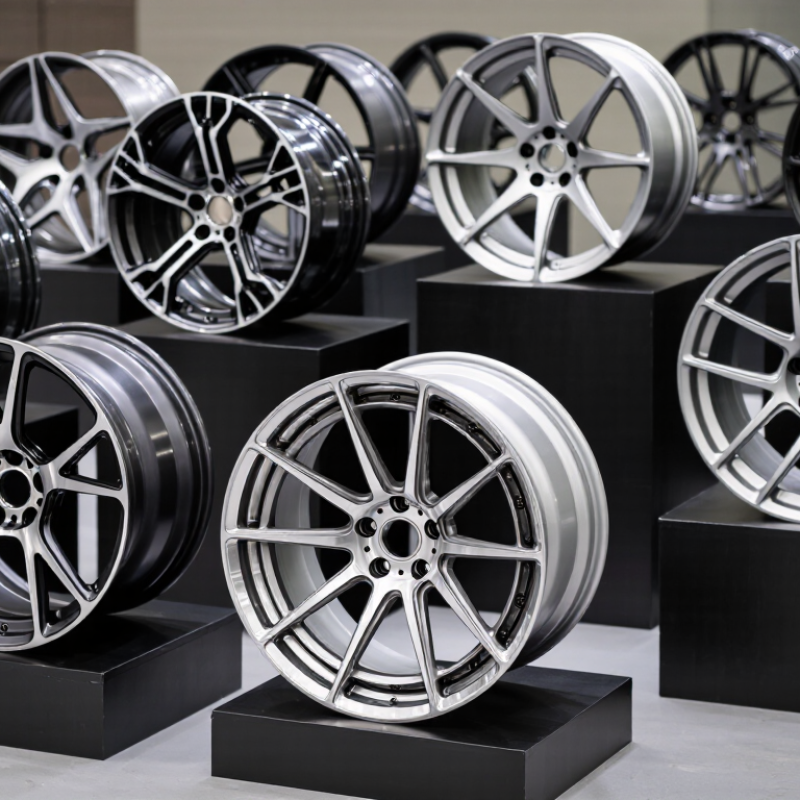
Polished alloy wheels are aluminum-alloy wheels finished with a smooth, reflective face. Their surface may be fully polished, machine-cut, or paired with a polished lip and darker inner spokes. The bright face reflects light sharply, especially under showroom lighting. In practical use, however, appearance is only one part of the decision.

Global buyers often choose them for weight control, heat management, and visual appeal. The International Energy Agency reported nearly 14 million electric car sales worldwide in 2023, representing about 18% of new-car sales. Heavier electric vehicles can place greater demands on wheel load ratings and fitment accuracy. OICA also recorded more than 93 million motor vehicles produced globally in 2023. That scale creates varied road conditions, from salted winter highways to dusty urban streets. A polished finish can look impressive, but it may reveal water spots and brake dust quickly. I have seen buyers focus too much on shine. That assumption is often wrong. Corrosion protection, clear-coat quality, offset, hub bore, and certification deserve equal attention.

Tips: Confirm the wheel’s certified load rating before purchase. Check the exact bolt pattern and offset. Ask how the finish is protected against salt and moisture. Clean the face with pH-neutral soap, not harsh household chemicals. For export orders, request inspection photos, packaging details, and material specifications. A mirror finish is attractive, but maintenance expectations should be discussed honestly. Reports from the IEA and OICA show a changing global vehicle market; wheel choices should change with it.

2026 Top Polished Alloy Wheel Types for Global Buyers? - What Polished Alloy Wheels Are and Why Global Buyers Choose Them
Polished Alloy Wheel Type Typical Manufacturing Method Common Material and Structure Typical Diameter Range Weight and Performance Profile Polished Finish Characteristics Main Advantages for Global Buyers Important Purchasing Checks
Single-Piece Gravity-Cast Wheel Molten aluminum alloy is poured into a permanent or semi-permanent mold and then heat-treated and machined. Commonly cast aluminum alloy, such as A356-type alloy; one-piece construction. Typically 15–22 inches Usually the most cost-efficient option; generally heavier than flow-formed or forged wheels of similar size. Large areas can be mechanically polished to create a bright metallic surface. A clear protective coating is recommended to reduce oxidation and staining. Competitive price, broad application coverage, simple logistics, and good suitability for high-volume replacement markets. Verify load rating, casting quality, X-ray or pressure-testing requirements, bolt pattern, center bore, offset, and coating durability.
Low-Pressure-Cast Wheel Molten aluminum is pushed into the mold under controlled low pressure, helping improve fill consistency and reduce some casting defects. Usually heat-treated cast aluminum alloy; one-piece construction. Typically 15–24 inches Generally offers a balance between cost, strength, and weight; often lighter or more consistent than basic gravity casting at comparable dimensions. Suitable for full-face polish, partial polish, or polished rim-lip designs. Clear coating is important where road salt and humidity are concerns. Good balance for passenger cars, SUVs, and regional distributors seeking scalable production and moderate pricing. Request production-process information, fatigue-test results, maximum load, impact performance, and market-specific conformity documentation.
Flow-Formed Wheel A cast blank is rotated and formed under pressure, stretching and compacting the barrel material. Cast center with a flow-formed aluminum barrel; commonly one-piece construction. Typically 17–24 inches Usually lighter and more rigid than a conventional cast wheel of similar design; often positioned between cast and forged products in price. Provides a smooth polished face with a comparatively refined appearance. The formed barrel can improve strength while maintaining a premium finish option. Attractive strength-to-weight ratio, sporty appearance, and strong demand in performance-oriented passenger-car and SUV segments. Confirm whether the entire barrel is flow-formed, check measured weight, load rating, impact testing, and compatibility with the intended tire size.
Forged Monoblock Wheel A solid aluminum billet is heated and shaped through high-pressure forging, followed by CNC machining and heat treatment. Commonly forged 6061-type aluminum alloy; one-piece construction. Typically 17–24 inches Usually the lowest weight for a comparable high-strength design, although final weight depends on spoke layout, width, and load requirement. Produces a crisp, high-end polished surface after CNC machining and polishing. A durable clear coat helps protect the finish from oxidation and contaminants. High strength-to-weight potential, premium positioning, precise machining, and suitability for demanding performance applications. Check certified load capacity, heat-treatment condition, fatigue and impact testing, machining tolerances, surface protection, and replacement availability.
Forged Multi-Piece Wheel Forged center and rim sections are manufactured separately and assembled with fasteners and an air-sealing system. Usually forged aluminum center and rim components; two-piece or three-piece configuration. Typically 17–24 inches Can provide extensive width and offset customization; weight varies because of additional hardware and construction complexity. Polished faces, lips, and stepped rims are common. Separate components can allow more finish combinations and easier cosmetic refurbishment. Flexible fitment, custom appearance, replaceable rim sections in some designs, and strong appeal in premium customization markets. Inspect fastener specification, torque procedure, seal design, runout tolerance, pressure testing, corrosion protection, and after-sales parts support.
Polished Split-Spoke or Directional Wheel May use cast, flow-formed, or forged construction; the classification refers primarily to spoke geometry and styling. One-piece or multi-piece aluminum construction with split, Y-shaped, or directional spokes. Typically 17–24 inches Performance depends on the underlying manufacturing process. More spokes can improve visual coverage but may increase cleaning effort and wheel weight. Often combines polished spoke faces with machined, painted, or darker recessed areas for contrast. Clear coating is recommended for daily-use vehicles. Strong visual appeal, broad design flexibility, and suitability for passenger cars, crossovers, SUVs, and specialty fitment programs. Confirm directional installation requirements, brake-caliper clearance, spoke-to-caliper spacing, cleaning access, and consistency of polish across production batches.
Buyer note: A polished alloy wheel is an aluminum-alloy wheel whose visible surface has been mechanically smoothed and polished. It is not the same as a chrome-plated wheel. Before purchase, global buyers should match the wheel's PCD or bolt pattern, center bore, offset, width, maximum load, tire-pressure requirements, vehicle clearance, and applicable regional regulations. Typical compliance references may include SAE J2530, ECE R124, or other market-specific testing requirements; acceptance depends on the destination market and vehicle application.

The Main Polished Alloy Wheel Types Available in 2026

The main polished alloy wheel types available in 2026 differ by surface treatment, manufacturing method, and spoke design. A full-polished wheel has a bright, continuous surface across the face and spokes. It reflects strong light and suits clean, traditional vehicle styling. A polished-lip wheel combines a darker or painted center with a bright outer rim. This contrast can make the wheel appear larger.

Machined-face wheels offer another practical option. Their front surfaces show fine cutting lines, while recessed areas usually receive paint or a protective coating. Some designs combine machined spokes with a polished rim, creating a sharper technical appearance. Multi-spoke, split-spoke, and deep-dish forms remain widely available. Deep-dish profiles need careful clearance checks near the brake caliper and suspension.

Manufacturing also matters. Cast polished wheels often provide broad size choices and competitive pricing. Flow-formed wheels can reduce weight while retaining useful strength for daily driving. Forged polished wheels are typically lighter and more precise, but their cost is considerably higher. Inspect the alloy grade, load rating, bolt pattern, offset, and certification before ordering. Ask for clear photos of the actual finish, not only computer images. Polished surfaces show water spots, fingerprints, and small scratches easily. A protective coating helps, but it does not remove maintenance needs. In my experience, bright wheels look impressive under showroom lighting, yet darker finishes can hide road dust better. The best choice is not always the most reflective one.

How Wheel Size, Design, and Finish Affect Vehicle Compatibility

For global buyers, polished alloy wheel selection should begin with fitment, not appearance. Diameter and width affect tyre size, steering response, and suspension clearance. A 19-inch wheel may look impressive, but it can reduce sidewall protection on rough roads. Wider wheels can improve grip, yet they may rub against inner arches during full steering.

Offset controls how far the wheel sits inside or outside the bodywork. Incorrect offset can stress bearings or disturb handling. PCD and center bore must match the vehicle precisely. Do not guess. Confirm factory data, measure the hub, and check brake-caliper clearance before ordering. Load rating also matters, especially for heavy electric vehicles and utility models.

Design influences both weight and maintenance. Multi-spoke wheels offer a balanced visual style, while split-spoke patterns can make cleaning difficult. Mesh designs often collect dust around narrow openings. A polished face reflects light sharply, but its clear protective coating needs regular washing. Road salt, sand, and harsh cleaners may damage the finish over time.

I once focused too much on visual width and overlooked brake clearance. That mistake changed my checking process.

Now, I recommend a professional test fit and a written specification sheet. Fitment errors are expensive. Availability can vary between markets, so buyers should also verify replacement access and local service support.

Safety, Material, and Certification Standards for International Markets

For international buyers, polished alloy wheels should be judged by safety data, not surface brightness. Cast, flow-formed, and forged wheels differ in strength, weight, and manufacturing cost. The European Commission’s Road Safety Statistics 2024 recorded 20,400 road deaths across the European Union in 2023. That figure reinforces a basic point: small component failures can have serious consequences. A polished finish cannot reveal hidden porosity, impact damage, or incorrect heat treatment.

Material verification should include alloy grade, tensile performance, load capacity, and corrosion resistance. ISO 3006 testing evaluates passenger-car wheels under radial fatigue, cornering fatigue, and impact conditions. SAE J2530 also provides testing guidance for aftermarket wheels. UNECE Regulation No. 124 addresses replacement wheels and their approval requirements in relevant markets. Buyers should request test reports, dimensional drawings, and traceable batch records. Ask for the actual documents.

Certification details need careful checking. The wheel diameter, width, offset, bolt pattern, center bore, and maximum axle load must match the vehicle. A 19-inch wheel may fit physically but fail clearance checks around the brake caliper or suspension. In professional inspections, missing load markings remain a recurring weakness. They create avoidable uncertainty. Another imperfect assumption is treating a certificate as permanent proof of quality; production changes can invalidate earlier results. Independent laboratory testing, serial-number traceability, and salt-spray evidence provide stronger purchasing confidence. Availability of replacement valves and compatible sensors also matters in daily use.

How to Compare Quality, Pricing, Suppliers, and Export Requirements

2026 Top Polished Alloy Wheel Types for Global Buyers?

Global buyers usually compare cast, flow-formed, and forged polished alloy wheels. Cast wheels cost less, but their weight and finish consistency need careful inspection. Flow-formed designs can reduce weight while retaining practical production costs. Forged wheels offer excellent strength, although their price may challenge budget projects. Check alloy certificates, measured runout, load-test records, and coating thickness before approval. A bright surface is not proof of structural quality.

Tips: Request samples from the same production batch. Inspect the wheel under strong, angled light. Look for cloudy polishing, sharp edges, pinholes, and uneven clear coating. Compare prices using the same size, offset, finish, packaging, and testing requirements. The cheapest quotation often excludes small but important costs. Ask suppliers about mold fees, replacement policies, lead times, and inspection access. I would also verify production capacity instead of trusting attractive catalog photos.

Export preparation requires accurate dimensions, product codes, packing details, and commercial documents. Confirm destination marking rules, labeling needs, and applicable technical requirements before shipment. Strong cartons, protective separators, and moisture control reduce damage during long transport. Ask for pre-shipment photos and a final inspection report. Suppliers should explain whether the quoted price is EXW, FOB, or another delivery term. I still question overly perfect promises; real production can contain minor variation. That is why written tolerances matter.

FAQS

What are polished alloy wheels?

They are aluminum-alloy wheels with smooth, reflective outer surfaces. Some have polished faces, cut sections, or bright outer lips. Appearance matters, but protection and fitment matter more.

Why do global buyers choose polished alloy wheels?

Buyers often want lower weight, better heat management, and a sharper appearance. Heavier electric vehicles also require accurate fitment and suitable load ratings. Shine alone is not enough.

How should buyers check wheel compatibility?

Confirm diameter, width, bolt pattern, offset, and center bore. Check brake-caliper and suspension clearance, too. Do not guess. Use factory data and a professional test fit.

Can a larger wheel improve vehicle performance?

A larger wheel may improve steering response and visual presence. However, it can reduce tyre sidewall protection on rough roads. Wider wheels may also rub during full steering.

What does offset mean?

Offset controls how far the wheel sits inside or outside the vehicle body. Incorrect offset may affect handling and bearing stress. A small measurement error can become expensive.

Are polished wheels difficult to maintain?

They can show water spots, brake dust, salt, and sand quickly. Wash them with pH-neutral soap and clean water. Avoid harsh household chemicals. Cleaning narrow spokes takes patience.

What safety information should buyers request?

Request alloy grade, load capacity, dimensional drawings, and fatigue-test reports. Ask for impact results and corrosion-resistance evidence. Also check serial-number traceability and batch records.

Does certification permanently prove wheel quality?

Not always. Production changes can make older test results less reliable. Buyers should verify current documents, markings, and independent inspection results. That assumption needs questioning.

What should international buyers inspect before shipping?

Request inspection photos, packaging details, material specifications, and exact measurements. Confirm replacement valves and compatible sensors. Check local service support before placing a large order. Availability varies.

Conclusion

In 2026, the Polished Alloy Wheel remains a popular choice for global vehicle buyers because it combines a bright metallic appearance with relatively low weight, efficient heat dissipation, and flexible styling options. Common types include fully polished wheels, machined-face designs with polished accents, and wheels featuring protective clear coatings. Buyers should evaluate diameter, width, offset, bolt pattern, load rating, and brake-clearance requirements to ensure proper compatibility with different vehicles. Design details and finish quality can also influence handling, maintenance needs, and long-term appearance.

For international purchasing, safety and material quality should come before visual appeal or low pricing. Buyers should request reliable test documentation, dimensional inspection records, corrosion-resistance information, and certification appropriate to the destination market. A careful comparison should cover alloy composition, manufacturing consistency, surface treatment, packaging, warranty terms, production capacity, and supplier communication. Freight costs, export documents, minimum order quantities, lead times, and after-sales support should also be included when calculating the true purchase value.

Sienna

Sienna

Sienna is a skilled marketing professional with a deep expertise in our company’s core products and services. With a passion for innovation and detail, she plays a pivotal role in crafting insightful blog posts that not only highlight the unique features of our offerings but also provide valuable......