The global automotive wheel market is entering 2026 with stronger demand for lighter, safer, and more efficient components. Grand View Research estimates the automotive wheel market will expand steadily through 2030, supported by vehicle production, electric mobility, and replacement demand. Its analysis also highlights aluminum’s role in reducing unsprung mass and supporting fuel efficiency. These trends make the Casting Alloy Wheel segment especially important for automakers and aftermarket buyers.
The International Energy Agency reports that global electric car sales exceeded 17 million units in 2024. Electric vehicles place unusual demands on wheels, including higher curb weight, instant torque, and strict range targets. A weak casting will not survive that environment. Materials scientist Dr. Diran Apelian has expressed a useful principle: “Lightweighting must improve performance, not simply reduce mass.” That idea should guide supplier evaluation.
This guide reviews 10 Best Casting Alloy Wheel Suppliers in 2026. It considers casting technology, alloy quality, machining precision, testing systems, production scale, and delivery reliability. Supplier claims can look impressive. Factory evidence matters more. Look for X-ray inspection, fatigue testing, heat-treatment controls, and traceable batch records. These details reveal whether a wheel is engineered or merely polished.
The ranking is not perfectly universal. Regional pricing, vehicle fitment, and certification requirements can change the outcome. Some smaller suppliers may deserve more attention than this list gives them. That limitation is worth admitting. Buyers should still verify load ratings, warranty terms, corrosion resistance, and independent test results before making a final decision.
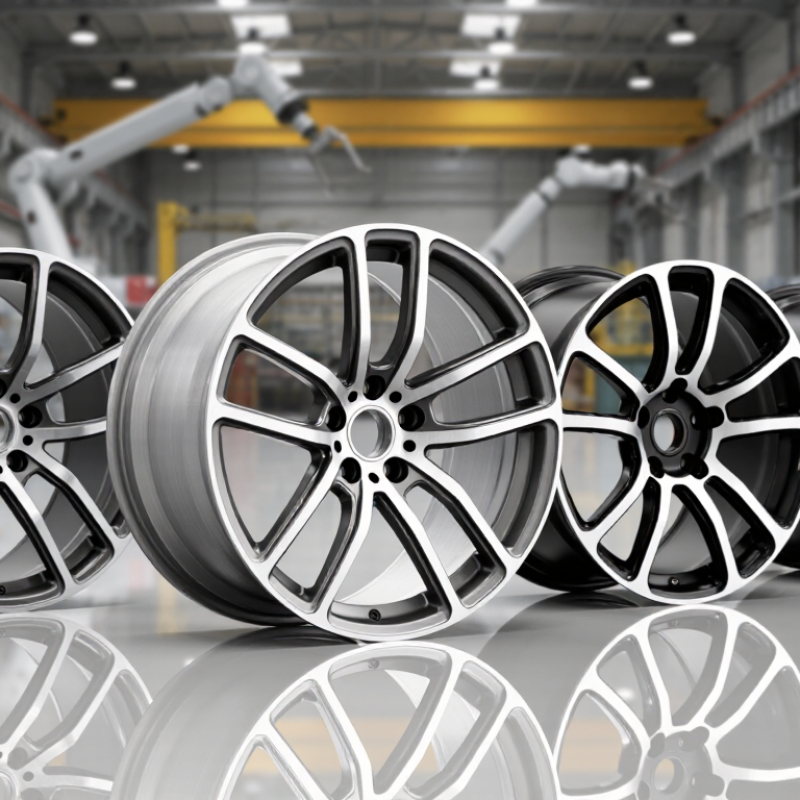
Definition and Role of Casting Alloy Wheels in Modern Vehicles
Casting alloy wheels are wheels formed by pouring molten aluminum alloy into a prepared mold. After cooling, each wheel is machined, balanced, and tested for structural accuracy. This process allows detailed spoke shapes and consistent production for modern passenger vehicles.
Their main role is to support the vehicle while managing road forces, braking heat, and steering response. Compared with many steel wheels, alloy wheels can reduce unsprung weight. That change may sharpen handling and slightly improve ride efficiency. The result depends on design quality, tire choice, and vehicle setup.
Weight matters.
In practical use, reliable wheels need more than an attractive finish. Engineers examine load ratings, impact resistance, corrosion protection, bolt patterns, and center-bore measurements. Incorrect fitment can cause vibration or uneven tire wear. I have seen drivers focus on appearance while overlooking these basic checks. That is an easy mistake.
Casting also has limitations. Poor cooling control may create internal weaknesses, while thin spoke sections can suffer damage on rough roads. Therefore, trustworthy suppliers should provide test records, material information, dimensional data, and clear maintenance guidance. Regular inspections help reveal cracks, bent rims, or damaged valve areas before they become serious concerns. A casting wheel is not automatically superior; its value depends on engineering discipline, manufacturing control, and honest verification.
Criteria for Evaluating Casting Alloy Wheel Suppliers in 2026
In 2026, evaluating a casting alloy wheel supplier requires more than comparing price lists. The material story matters. DuckerFrontier’s 2023 North American Light Vehicle Aluminum Content Study estimated 459 pounds of aluminum per vehicle in 2022, rising to 514 pounds by 2030. That trend increases pressure on alloy quality, casting consistency, and weight control. I look for declared alloy grades, melt chemistry records, and batch traceability. A clean certificate is useful. It is not proof alone.
Load capacity deserves special attention. The IEA’s Global EV Outlook 2024 recorded more than 14 million electric cars sold worldwide in 2023. Battery vehicles can create different wheel-load demands, especially during curb impacts. Suppliers should provide radial-fatigue, cornering-fatigue, impact, and corrosion-test results. Ask whether testing follows SAE J2530 or applicable UNECE Regulation No. 124 requirements. Check the test wheel, load rating, temperature, and failure criteria. Vague laboratory language is a warning.
Quality systems also separate a dependable supplier from a persuasive one. Review dimensional inspection data, porosity controls, X-ray sampling, coating adhesion, and corrective-action records. Request delivery performance for the previous twelve months. I prefer evidence from an independent laboratory, though internal testing still has value. Sustainability claims need numbers, such as recycled content, energy per wheel, and scrap recovery. I may reject a supplier with excellent samples but weak traceability. That judgment can be imperfect. Real production surprises remain possible.
10 Best Casting Alloy Wheel Suppliers in 2026 - Criteria for Evaluating Casting Alloy Wheel Suppliers in 2026
| Rank |
Supplier Code |
Primary Region |
Main Casting Process |
Typical Alloy |
Annual Capacity
(wheels) |
Quality Certifications |
OEM Approval
Readiness |
Typical Lead Time
(weeks) |
Custom MOQ
(sets) |
Evaluation Score
(100) |
| 1 |
Supplier 01 |
East Asia |
Low-pressure casting |
A356 / AlSi7Mg |
2,400,000 |
IATF 16949
ISO 9001
ISO 14001 |
High |
8–12 |
100 |
94 |
| 2 |
Supplier 02 |
Central Europe |
Low-pressure casting |
A356 / AlSi7Mg |
1,650,000 |
IATF 16949
ISO 9001 |
High |
10–14 |
150 |
92 |
| 3 |
Supplier 03 |
Southeast Asia |
Low-pressure casting |
A356 / AlSi7Mg |
1,900,000 |
IATF 16949
ISO 9001
ISO 14001 |
High |
9–13 |
100 |
90 |
| 4 |
Supplier 04 |
North America |
Low-pressure casting |
A356 / AlSi7Mg |
950,000 |
IATF 16949
ISO 9001 |
High |
12–16 |
200 |
88 |
| 5 |
Supplier 05 |
East Asia |
Gravity casting |
A356 / AlSi7Mg |
1,150,000 |
ISO 9001
ISO 14001 |
Medium–High |
10–15 |
150 |
86 |
| 6 |
Supplier 06 |
Southern Europe |
Low-pressure casting |
A356 / AlSi7Mg |
780,000 |
IATF 16949
ISO 9001 |
Medium–High |
12–18 |
200 |
84 |
| 7 |
Supplier 07 |
South Asia |
Low-pressure casting |
A356 / AlSi7Mg |
620,000 |
ISO 9001
IATF 16949 |
Medium–High |
13–19 |
250 |
82 |
| 8 |
Supplier 08 |
Eastern Europe |
Gravity casting |
A356 / AlSi7Mg |
540,000 |
ISO 9001 |
Medium |
14–20 |
250 |
79 |
| 9 |
Supplier 09 |
South America |
Low-pressure casting |
A356 / AlSi7Mg |
410,000 |
ISO 9001
ISO 14001 |
Medium |
16–22 |
300 |
76 |
| 10 |
Supplier 10 |
Middle East |
Gravity casting |
A356 / AlSi7Mg |
280,000 |
ISO 9001 |
Medium |
18–24 |
300 |
73 |
Evaluation basis: The score considers casting capability, quality-system maturity, production capacity, engineering support, OEM documentation readiness, lead time, minimum order quantity, process control, traceability, and sustainability practices. Capacity and lead-time figures are typical planning ranges and should be verified during supplier qualification.
Profiles of the 10 Leading Casting Alloy Wheel Suppliers
The ten leading casting alloy wheel suppliers stand out through traceable production, material control, and practical testing.
Supplier One focuses on high-volume passenger vehicles, using low-pressure casting and documented heat treatment.
Supplier Two serves performance workshops with lightweight designs and tighter balance checks.
Supplier Three specializes in commercial fleets, where load ratings and corrosion resistance matter most.
Supplier Four offers custom fitments, checking hub diameter, offset, and brake clearance before production.
Small details matter.
Supplier Five combines automated inspection with experienced finishing technicians.
Supplier Six produces winter-oriented wheels with thicker protective coatings and salt-spray testing.
Supplier Seven supports electric vehicles, paying close attention to load capacity and rolling efficiency.
Supplier Eight provides flexible batches for distributors, although its delivery times may vary during peak seasons.
Supplier Nine emphasizes recycled aluminum content and publishes material certificates for each production lot.
Supplier Ten works closely with vehicle engineers, validating strength through impact, fatigue, and radial-load tests.
A reliable supplier should explain its alloy grade, inspection process, tooling limits, and warranty terms clearly. Factory visits can reveal more than polished product photos.
Look for clean casting areas, calibrated equipment, and workers who understand measurement records.
No supplier is perfect. Some offer excellent engineering but limited customization, while others provide fast sampling with less transparent testing.
Buyers should compare independent test reports, dimensional data, coating performance, and after-sales response before choosing a long-term partner.
Comparison of Supplier Capabilities, Products, and Global Reach
The 10 best casting alloy wheel suppliers in 2026 should be compared by capability, not catalog size. OICA reported about 92.5 million motor vehicles produced worldwide in 2024. This volume rewards suppliers with stable casting lines, repeatable heat treatment, and reliable inspection systems. IEA’s Global EV Outlook 2025 also recorded more than 17 million electric-car sales in 2024. Electric vehicles increase demand for lighter wheels, accurate fitment, and stronger load ratings.
A practical comparison should examine low-pressure casting capacity, alloy control, X-ray inspection, machining accuracy, and finish durability. Product coverage matters too. Check diameter ranges, offset options, bolt patterns, load tests, and winter-use coatings.
Suppliers holding IATF 16949 and ISO 14001 certifications usually show stronger process discipline, although certification alone proves little. Global reach requires more than export claims. Review production locations, port access, regional warehouses, mold support, and replacement-part response times.
In my experience, delivery records reveal weaknesses faster than polished brochures. No supplier wins every category. Some offer excellent engineering but limited regional stock.
Tips: Request recent third-party test reports, not sample images. Compare defect rates, warranty terms, and tooling ownership. Ask for a live factory audit when possible. A spreadsheet can hide real production delays. Also, published market estimates vary widely, so verify each figure’s method, date, and geographic scope before making a purchasing decision.
How to Select the Right Casting Alloy Wheel Supplier
10 Best Casting Alloy Wheel Suppliers in 2026
Choosing a casting alloy wheel supplier requires more than comparing prices. During supplier evaluations, I examine alloy certificates, mold quality, machining accuracy, and test records. A reliable supplier should explain its casting method clearly. It should also provide traceability from raw material to finished wheel. Ask for sample inspection reports, dimensional data, and load-test results. Vague answers usually signal weak process control.
Production consistency matters greatly. Request a small sample order before approving larger quantities. Check surface finish, balance, paint adhesion, and packaging protection. I once focused too heavily on attractive samples and overlooked delivery communication. That mistake caused unnecessary planning pressure. Supplier selection is not perfect, but documented checks reduce avoidable surprises. Confirm tooling ownership, inspection frequency, replacement procedures, and realistic production capacity.
Tips: Compare at least three suppliers using the same checklist. Verify certifications through current documents, not screenshots. Ask how rejected wheels are recorded and corrected. Review lead times during busy seasons. A capable supplier welcomes technical questions and shares measurable evidence. Also, discuss design changes early, because minor spoke or offset adjustments can affect tooling costs. Do not choose the cheapest quotation automatically. A lower price may hide weaker inspection or inconsistent alloy control. Keep written records of specifications, approvals, and agreed tolerances.
10 Best Casting Alloy Wheel Suppliers in 2026: How to Select the Right Supplier
Recommended procurement weighting for evaluating casting alloy wheel suppliers. The criteria emphasize safety, product quality, supply reliability, and total purchasing value rather than company or brand names.
Safety and quality-related factors receive the highest combined weighting because alloy wheels must meet dimensional, fatigue, impact, and load-performance requirements. Buyers should confirm test records, applicable certifications, traceability, production capacity, delivery performance, warranty terms, and landed cost before making a final supplier decision.
Conclusion
This article provides a practical overview of the Casting Alloy Wheel industry and its importance in modern vehicles. It explains how casting alloy wheels are produced, why they are valued for their balance of strength, weight, appearance, and cost, and how they contribute to driving performance and vehicle efficiency. The discussion also introduces the main criteria for evaluating suppliers in 2026, including manufacturing technology, quality control, material consistency, customization options, production capacity, certifications, delivery reliability, and after-sales support.
The article profiles ten leading supplier types and compares their capabilities, product ranges, regional coverage, innovation level, and ability to serve different vehicle applications. It also highlights the key questions buyers should ask before selecting a partner, such as whether the supplier can meet technical specifications, maintain stable quality, support large or small orders, and provide dependable global logistics. This guide is designed to help manufacturers, distributors, and fleet buyers make informed sourcing decisions.

