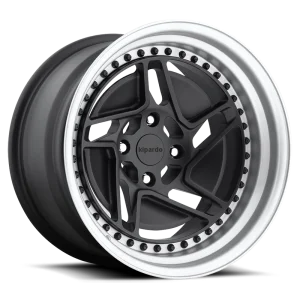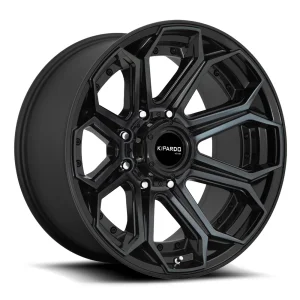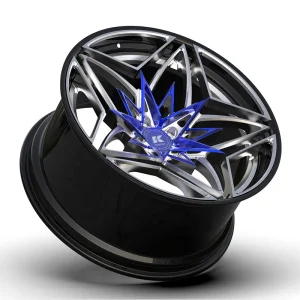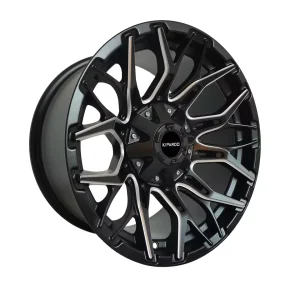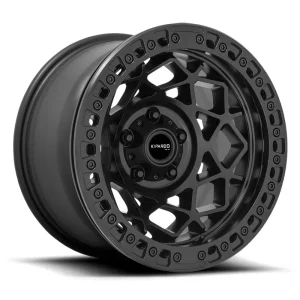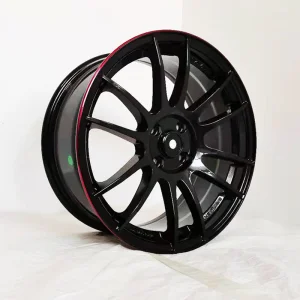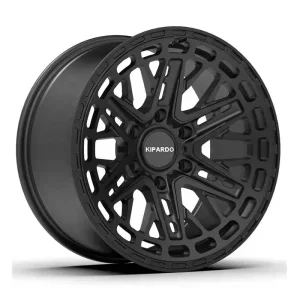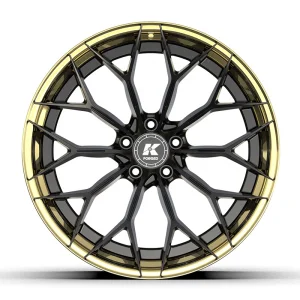
Featured Engineering Product Lineup
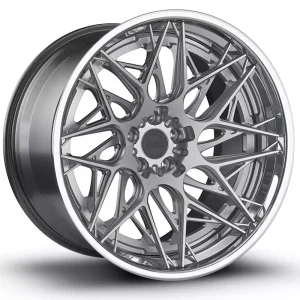
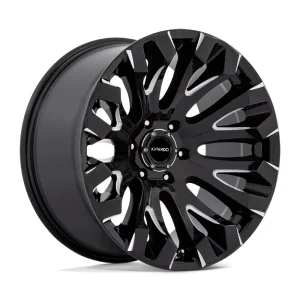
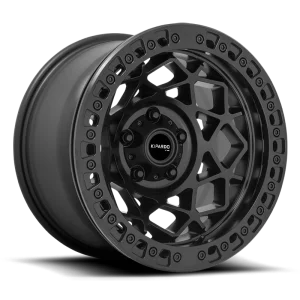
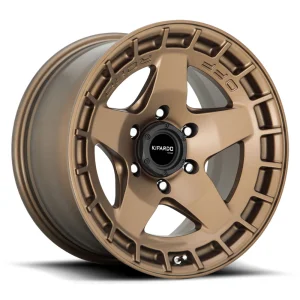
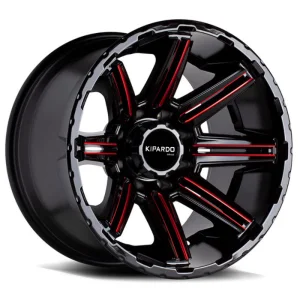
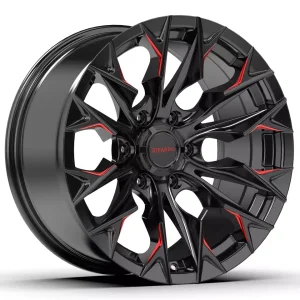
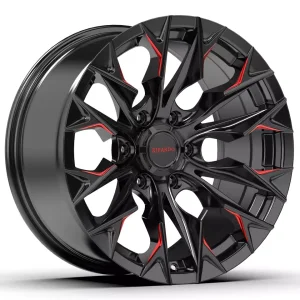
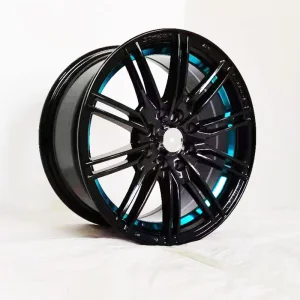
Precision-machined cast and forged aluminum alloy wheels engineered to JWL, VIA, and SAE-J2530 specifications for commercial, off-road, and passenger applications.
Strategic Advantages of China’s Casting Foundry Ecosystem
Evaluating the systemic economic, metallurgical, and technological factors that position Chinese wheel manufacturers at the epicenter of global automotive supply chains.
In the modern automotive industry, the procurement of cast aluminum wheels has evolved beyond standard component acquisition into a strategic partnership demanding profound material science expertise, rapid prototyping flexibility, and uncompromised structural reliability. As vehicle dynamics advance—accelerated by high-torque electric powertrains and increased gross vehicle weight ratings (GVWR)—the wheel rim operates as a safety-critical mechanical linkage subjected to multi-axial dynamic stress, salt-induced corrosion, and thermal cycling.
Chinese manufacturing hubs, specifically cluster ecosystems across Jiangsu, Zhejiang, and Shandong provinces, have transformed from rudimentary low-cost foundries into highly automated smart manufacturing centers. The competitive edge established by Chinese casting exporters rests upon three primary pillars:
Molten Aluminum Supply Integration
Unlike Western foundries that repeatedly remelt secondary cold ingots—increasing oxidation risk and energy overhead—top-tier Chinese casting plants receive direct liquid aluminum deliveries from adjacent smelting refineries. Molten A356.2 alloy is transported at 750°C in insulated vacuum ladles, preserving pure metallurgical composition and reducing hydrogen gas absorption to achieve exceptional structural density.
Accelerated Tooling & Mold Engineering
Leveraging synchronized CAD/CAM engineering and dedicated 5-axis CNC mold tooling centers, Chinese ODM service providers compress the standard mold creation cycle to 35–45 days. This rapid cycle includes digital flow simulation (AnyCasting / MAGMAsoft), physical mold fabrication using premium H13 hot-work tool steel, trial sampling, and comprehensive dimensional Coordinate Measuring Machine (CMM) verification.
High-Volume Automated LPDC Infrastructure
Multi-cavity Low-Pressure Die Casting (LPDC) machines operated by automated robotic arms deliver continuous pressure filling from bottom holding furnaces. Controlled laminar flow eliminates turbulence during molten metal injection, dramatically curtailing micro-porosity in critical spoke junctions and barrel transitions to guarantee uniform elongation and tensile strength across production runs.
Metallurgical Architecture: A356.2 Alloy & T6 Thermal Treatment
An engineering analysis of grain boundary formation, eutectic modification, and artificial aging that ensure road-going durability and impact absorption.
The primary metallurgy utilized in the production of high-performance cast aluminum wheels is hypoeutectic Al-Si-Mg alloy A356.2 (equivalent to EN AC-42100 / JIS AC4CH). Silicon content (6.5% – 7.5%) provides optimal fluid fluidity during low-pressure injection, while magnesium (0.30% – 0.45%) forms magnesium silicide (Mg2Si) precipitation phases during precipitation hardening, delivering exceptional structural strength.
| Alloy Element / Property | A356.2 Chemical Range (%) | Mechanical Impact & Functional Purpose | T6 Condition Value (Typical) |
|---|---|---|---|
| Silicon (Si) | 6.50 – 7.50% | Provides melt fluidity, reduces casting shrinkage, controls thermal expansion | Eutectic structure modified with Strontium (Sr) |
| Magnesium (Mg) | 0.30 – 0.45% | Forms Mg2Si precipitates; enables responsive artificial age hardening | Yield strength contributor |
| Iron (Fe) | ≤ 0.12% (Max) | Strictly controlled impurity; excess iron induces catastrophic brittle failure | Minimized intermetallic platelets |
| Titanium (Ti) | 0.10 – 0.20% | Inoculant for grain refinement; forms TiB2 nucleation nuclei | Equiaxed fine alpha-aluminum grains |
| Tensile Strength (Rm) | N/A (Raw Melt) | Ultimate failure resistance under sudden external tensile stress | ≥ 245 – 280 MPa |
| Yield Strength (Rp 0.2) | N/A (Raw Melt) | Elastic deformation limit prior to permanent spoke/hub deformation | ≥ 185 – 210 MPa |
| Elongation at Break (A5) | N/A (Raw Melt) | Plastic deformation capacity to absorb road shocks without shattering | ≥ 6.0 – 9.0% |
Attaining these mechanical benchmarks requires execution of an exact T6 Solution & Aging Thermal Cycle. Unprocessed castings feature coarse, plate-like silicon phases that compromise ductile behavior. The T6 thermal profile engineered within our facility incorporates:
1. Solution Heat Treatment (535°C ± 5°C for 4 to 6 hours): Homogenizes the matrix, dissolves coarse Mg2Si particles into solid solution, and spheroidizes eutectic silicon morphology.
2. Rapid De-molding Quenching (Water at 60°C – 80°C within 15 seconds): Rapid transfer freezes solute atoms in a supersaturated solid solution, preventing premature coarse precipitation.
3. Artificial Aging (155°C ± 5°C for 3 to 5 hours): Regulates coherent and semi-coherent GP-zone precipitation, stabilizing peak yield strength and high dynamic fatigue endurance.
The 8-Stage Precision Casting Pipeline
A transparent look into the automated quality assurance gates that govern our zero-defect production from raw ingot melt to palletized container export.
Rotary Degassing & Fluxing
Liquid alloy undergoes argon and nitrogen rotor degassing combined with strontium grain refinement. Density Index (DI) testing verifies hydrogen content < 0.10 cm3/100g Al to prevent sub-surface pinhole gas cavities.
Low-Pressure Die Casting
Under 0.2 to 0.8 bar pressurization, molten aluminum rises smoothly through a ceramic stalk tube into a water-cooled metal die. Progressive directional solidification ensures dense spoke roots without shrinkage voids.
Real-Time X-Ray NDT
100% of cast wheel blanks pass through automated 6-axis radiographic inspection. Internal flaws, air pockets, and micro-shrinkage are scanned across spoke junctions and hub sections per ASTM E155 reference standards.
Automated T6 Heat Treatment
Castings transfer directly into continuous roller hearth furnaces for solution annealing, rapid precision water quenching, and artificial aging, achieving certified mechanical yield benchmarks.
Precision CNC Turning & Drilling
High-speed dual-spindle CNC machining centers machine the center bore, hub mounting surface, PCD bolt patterns, and bead seat profiles within ±0.02mm tolerances for flawless dynamic balancing.
Helium Mass Spectrometry
Every finished rim barrel undergoes pressurized helium or underwater immersion bubble leak detection to certify that micro-porosity will never cause tire pressure loss over prolonged highway operation.
Eco-Friendly Pretreatment & Coating
Zirconium-based chemical conversion coating followed by electrostatic primer powder, high-definition base coat, and protective acrylic clear coat. Passing 1,000+ hour CASS salt-spray corrosion tests.
Laser Run-Out & CMM Inspection
Dual laser runout gauges evaluate radial and lateral runout across inner/outer rim flanges. Final verification confirms radial runout ≤ 0.30mm and lateral runout ≤ 0.35mm before protective packaging.
Emerging Market Trends & Macro Procurement Solutions
How the global shift toward electric mobility, flow-formed weight reduction, and circular carbon auditing is reshaping Tier-1 and aftermarket wheel sourcing.
EV-Specific Wheel Engineering
Electric vehicles present higher curb weights from heavy battery packs and near-instantaneous torque delivery. Our ODM engineering incorporates reinforced hub seats, high-load bead profiles, and integrated aerodynamic clip-in resin aero-blades that reduce drag coefficients (Cd) by 3-5%, expanding range.
Flow-Forming (Rotary Forged) Hybridization
To bridge the performance and price gap between conventional casting and high-cost forged monoblocks, our foundries utilize flow-forming. Spun under high pressure and heat, the cast wheel barrel's grain structure is compressed, lowering wheel weight by 12–18% while enhancing shock tolerance.
Carbon-Neutral 'Green Aluminum'
European and North American importers face stringent CBAM (Carbon Border Adjustment Mechanism) environmental disclosures. We provide certified low-carbon aluminum wheels manufactured utilizing hydroelectric smelting power, accompanied by verifiable metallurgical cradle-to-gate life cycle footprints.
Dynamic A00 Index Price Hedging
Fluctuating raw ingot costs threaten supply chain profitability. We offer flexible commercial purchasing mechanisms: transparent conversion cost frameworks pegged to the Shanghai Metal Exchange (SME) or London Metal Exchange (LME) with fixed manufacturing formulas and long-term futures hedging options.
Localized Application Scenarios & Regional Specifications
Adapting wheel geometry, load ratings, salt-spray resistance, and cosmetic treatments to distinct climatic, regulatory, and vehicle environments worldwide.
North America: Heavy Duty & 4x4
Focused on heavy pickup trucks (Ford F-Series, GM, Ram) and rugged overlanding builds. Demands deep concave profiles, simulated beadlocks, aggressive negative offsets (-12 to -44 ET), PCDs such as 6x139.7 and 8x165.1, and load ratings exceeding 2,500 to 3,650 lbs per wheel under strict SAE J2530 testing.
Europe: TÜV & Winter Endurance
Characterized by strict compliance with ECE R124 and German TÜV homologation guidelines. Hub-centric fitments for direct bolt-on installation, winter-proof thick clear powder coats resilient against de-icing salt corrosion, and clean OE replica aesthetics matching premium German saloon fitments.
Middle East: Desert Thermal Shock
Tailored for full-size SUVs (Nissan Patrol, Toyota Land Cruiser) tackling desert dune bashing and intense thermal shock from ambient temperatures reaching 50°C. High-ductility heat-treatment cycles and reinforced outer rim lips prevent rim deformation during high-speed low-tire-pressure sand traverses.
Southeast Asia & LATAM: Pothole Durability
Requires enhanced resistance against mechanical impact damage caused by unpredictable road infrastructure and extreme monsoon humidity. Features thick-wall spoke root geometries, localized high-elongation A356.2 T6 parameters, and diamond-cut CNC machined faces with multi-layer UV clear coats.
Validation Matrix: JWL, VIA, and SAE J2530 Verification
Inside our laboratory: destructive and non-destructive testing cycles designed to simulate severe operational stress and verify structural longevity.
Rotational Cornering Fatigue Test
Simulates continuous lateral cornering forces. The wheel is bolted to a rotating table while a rigid shaft applies a bending moment to the hub center. Tested to 100,000+ continuous cycles without any microscopic crack propagation, structural yielding, or bolt torque loosening.
Dynamic Radial Durability Test
Evaluates wheel endurance under continuous rotational load along a massive steel drum running at highway speeds (up to 2.25 times the rated load capacity). Tested to 500,000 to 1,000,000 revolutions to certify hub-to-spoke fatigue resilience.
13° & 30° Striker Impact Drop Test
Simulates striking severe road curbs or deep potholes. A calibrated free-falling steel weight strikes the outer rim flange at a 13° angle. The wheel must exhibit zero structural cracking or sudden instantaneous deflation within 60 seconds of impact.
Frequently Asked Questions for Global Wheel Importers
Essential operational, engineering, and contractual information for automotive procurement directors and brand managers.
What are the minimum order quantities (MOQ) for custom ODM cast aluminum wheels?
Who retains intellectual property (IP) and physical ownership of custom casting molds?
What is the typical lifecycle and replacement maintenance schedule for LPDC molds?
How does your factory ensure paint and surface finish adhesion in harsh environments?
Can Rimax supply comprehensive PPAP documentation for Tier-1 automotive procurement?
What structural and cosmetic warranties accompany export shipments?
Specialized Cast, Off-Road & Forged Wheel Offerings
Explore our broader production capability covering multi-piece bespoke forged wheels, competition-grade 4x4 alloy wheels, and lightweight Japanese tuners.