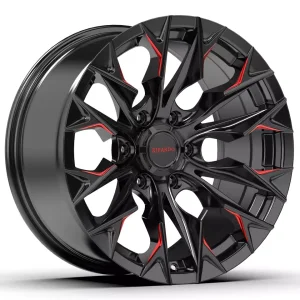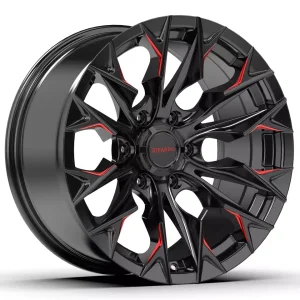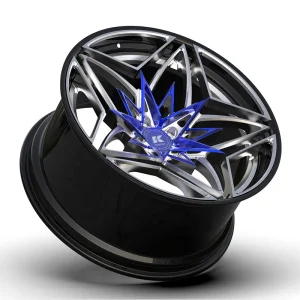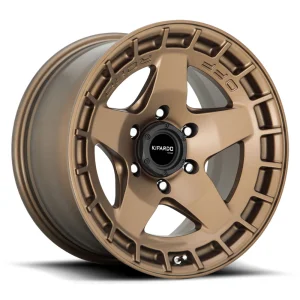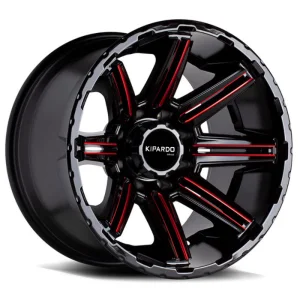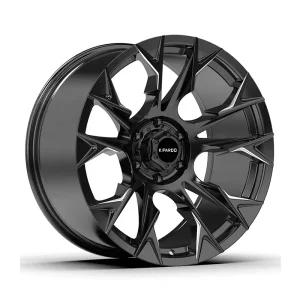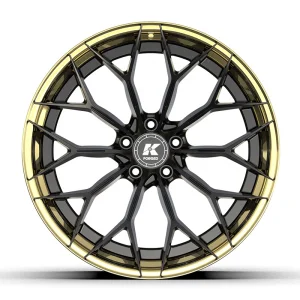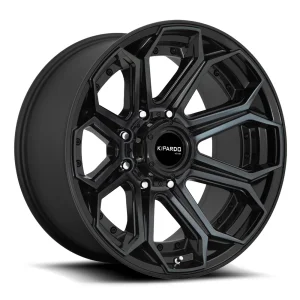
Featured OEM & Aftermarket Cast & Forged Series
Explore our certified primary run of precision-engineered alloy and off-road wheels, optimized for superior structural rigidity, high load ratings, and advanced electroplating or PVD chrome surface readiness.
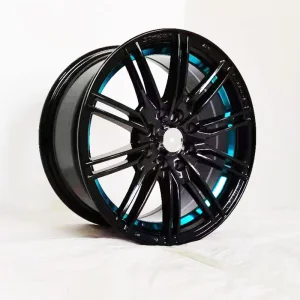
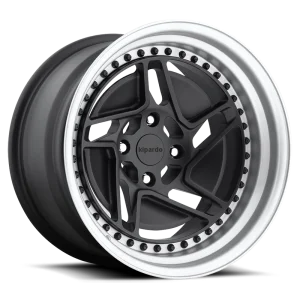
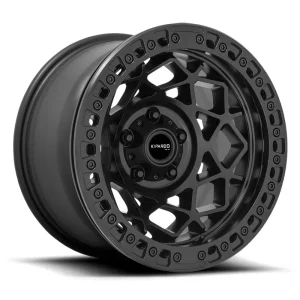
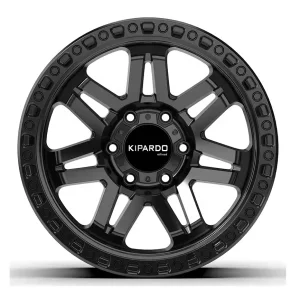
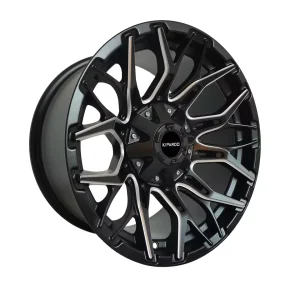
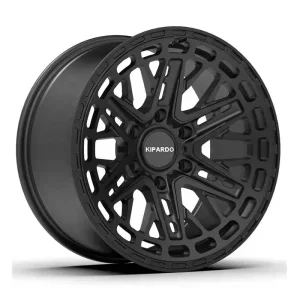
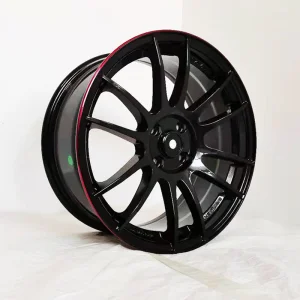
OEM Aftermarket Chrome Wheels: Metallurgical Rigor & Market Dynamics
The global commercial transition from conventional hexavalent electroplating to environmentally certified Physical Vapor Deposition (PVD) chrome and multi-layer nickel-chromium systems represents the most significant shift in aftermarket wheel engineering over the past two decades.
A356.2 + T6 Heat Treatment
Surface plating requires an immaculate base. Porosity in aluminum casting is the leading cause of micro-blistering and galvanic corrosion under chrome coatings. Rimax eliminates pinhole porosity using rotary nitrogen degassing, automated flux injection, and low-pressure counter-gravity casting, producing an optimal Secondary Dendrite Arm Spacing (SDAS) under 25 μm.
PVD Chrome Eco-Deposition
Unlike traditional multi-tank dipping which produces hazardous sludge and adds significant unsprung mass, physical vapor deposition (PVD) utilizes high-energy vacuum magnetron sputtering. By depositing atom-thin metallic chromium layers over a specialized powder primer and sealing with an automotive-grade clear acrylic coat, weight is reduced by 60% compared to heavy triple-plating.
Sub-Zero & Road Salt Resistance
In Northern European and North American winter climates, de-icing salts (NaCl and CaCl2) rapidly compromise inferior chrome rims. Rimax-engineered aftermarket chrome wheel formulations pass aggressive Copper-Accelerated Acetic Acid Salt Spray (CASS) testing surpassing 720 hours without pitting, filiform creep, or delamination along the bead seat rim.
Automated Precision Manufacturing & Digital Process Control
From Kunshan to global port hubs, Shanghai Rimax Industry Co., Ltd. deploys a closed-loop digital manufacturing execution system (MES) orchestrating molten alloy chemistry, thermal processing, CNC profiling, and robotic surface finishing.
Low-Pressure Die Casting (LPDC)
Computer-regulated pressurization pushes molten aluminum upward through the stalk into steel die cavities at controlled thermal gradients. This bottom-up laminar filling prevents turbulent oxidation, internal entrapment, and shrinkage voids across high-stress spoke junctions.
Automated T6 Solution & Aging
Furnace temperature stability maintained within ±3°C across 535°C solution treatment, followed by rapid sub-15-second fluid quench and artificial aging at 155°C. This guarantees uniform Mg2Si precipitate dispersion, elevating yield strengths above 225 MPa.
5-Axis High-Speed CNC Lathes
Every hub face, lug seat (60° conical or ball-seat radius), center bore, and rim contour is machined in single-setup operations. Rim runout is held within 0.05 mm, minimizing unbalance and ensuring zero high-speed dynamic vibration for discerning vehicle platforms.
Robotic Mirror Polishing Line
Prior to electroplating or PVD sputtering, automated multi-axis robot arms perform progressive mechanical polishing through non-woven flap wheels, sisal buffs, and diamond compound paste, eliminating surface micro-scratches to achieve Ra values <0.05 μm.
Mitigating Global Procurement Risks: Tariffs, Inventory & Quality Spoilage
Navigating international trade volatility requires manufacturing partners with financial depth, flexible capacity hedging, and freight optimization protocols designed specifically for high-cube automotive products.
LME Metal Cost Hedging
Aluminum commodity prices directly drive landed wheel margins. Rimax works with volume contract clients through London Metal Exchange (LME) index-linked forward pricing agreements, insulating wholesale distributors from sudden raw material spikes and stabilizing seasonal forecasting.
Container Space Optimization
Alloy wheels are volumetric freight. Utilizing custom nested carton designs, reinforced edge caps, and dynamic CAD 3D container packing layouts, Rimax achieves up to 14% higher container fill factors across 40ft HQ loads, slashing ocean freight expenses per landed rim.
Protective Transit Packaging
Chrome finishes are uniquely vulnerable to transit chafing and ambient humidity. Every wheel is protected with a non-woven contact bonnet, elastic rim flange guard, vacuum moisture desiccant pouch, double-corrugated exported carton, and stretch-wrapped wooden palletization.
Global Standards Validation: JWL, VIA, SAE J2530 & TÜV
Vehicle structural safety leaves no room for guesswork. Our manufacturing facility executes rigorous mechanical testing exceeding regulatory baselines across Japan, North America, and Europe.
| Validation Test Item | Reference Standard | Testing Parameter / Severity | Engineering Acceptance Criterion |
|---|---|---|---|
| Dynamic Radial Fatigue | JWL / VIA • SAE J2530 | Radial force: 2.25x rated load; >500,000 cycles rotation | Zero crack initiation, no air pressure decay, zero structural yielding |
| Dynamic Cornering Fatigue | ISO 3006 • JWL Article 4 | Bending moment applied to hub pad; >100,000 continuous cycles | Zero bolt torque loss >30%, no spoke or hub fracture |
| 13° Lateral Impact Test | SAE J175 • JWL Section 5 | Free-fall striker mass (Payload + 180 kg) dropped from calibrated height | Zero sudden tire deflation, zero rim-to-hub separation within 60s |
| CASS Salt Spray (Finish) | ASTM B368 • ISO 9227 | Continuous acetic acid, copper chloride mist at 50°C for 720 hours | Corrosion creep <1.0 mm from cross-scribe; no bubbling/pitting |
| Adhesion & Hardness | ASTM D3359 • ISO 2409 | Cross-cut lattice cross-hatch peel test (Tape 3M 898) + Pencil 2H | Classification 5B / 0 (100% adhesion, zero flaking of chrome/primer) |
Meeting Distinct Buyer Personas: From Private-Label to OEM Tier-1
Different automotive channels require customized engineering balance points between unit economics, minimum order quantities (MOQ), and tooling turnaround times.
Regional Distributors & Chains
Wholesale multi-branch distributors require high inventory turnover, aggressive unit costing, and broad vehicle bolt pattern fitments (PCD 5x114.3, 5x120, 6x139.7). Rimax supports this tier with consolidated mixed-model 40ft container programs, custom box barcodes, and consistent batch color repeatability.
Aftermarket Fashion & 4x4 Brands
Proprietary brand houses demand distinctive aesthetics, aggressive positive/negative offsets (ET -44 to +45), simulated or real beadlock rings, deep lip profiles, and bespoke center cap engraving. Rimax provides proprietary mold tooling protection with exclusive territory distribution rights.
OEM & Low-Volume Upfitters
Armored vehicle builders, commercial fleets, and luxury coachbuilders require high load indices (>1,250 kg per corner), full material traceability test coupons, certified ultrasonic non-destructive testing (NDT), and documented PPAP (Production Part Approval Process) level 3 submissions.
Technology Roadmap: The Next Generation of Chrome Finish
Anticipating stringent environmental policies and vehicle electrification trends, Rimax is driving technological developments to keep chrome wheels aerodynamically efficient, lightweight, and completely non-hazardous.
Dual-Layer PVD Sputtering with Ceramic Hardcoats
Implementation of plasma-enhanced chemical vapor deposition (PECVD) silicon dioxide (SiO2) nanocoats over vacuum chromium layers. This generates an impenetrable barrier against brake dust micro-abrasion, road stone pitting, and cleaning chemical discoloration.
Flow-Formed Barrel + PVD Hybrid Architecture
Pairing rotary flow-forming barrel extrusion with PVD face finishing. By drawing the barrel rim under high-temperature hydraulic rollers, grain orientation is continuously aligned, yielding forged-like tensile properties while shaving 12-15% of rotational inertia.
Aerodynamic Aero-Chrome Wheels for EVs
Electric platforms require ultra-low drag coefficients (Cd). Our development pipeline integrates flush-spoke geometries, lightweight composite snap-on chrome blade inserts, and low-rolling-resistance rim safety beads to maximize per-charge driving range.
Frequently Asked Questions by Wholesale Buyers
Clear, definitive technical answers to assist automotive purchasing directors, brand managers, and quality assurance officers during factory evaluation.
What is the fundamental difference between traditional electroplated chrome and PVD chrome wheels?
How does Shanghai Rimax prevent porosity and pinholes in cast chrome wheels?
What specific international certifications and test standards do your wheels meet?
What are your typical OEM/ODM tooling lead times and Minimum Order Quantities (MOQ)?
What warranty protection is provided for commercial wholesale orders?
Can Rimax support customized private-label brand packaging and accessories?
Specialized 4x4 Off-Road & Forged Custom Lines
Explore the remainder of our primary catalog lines, designed specifically for heavy-duty overland pickups, luxury SUVs, and bespoke automotive tuning brands seeking proven durability and finish excellence.