
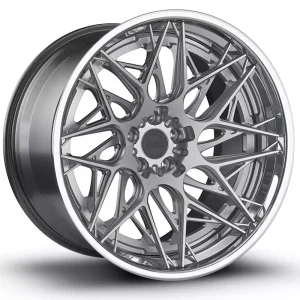
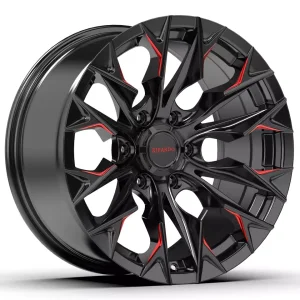
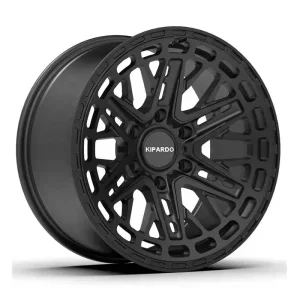
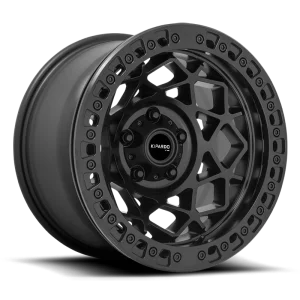
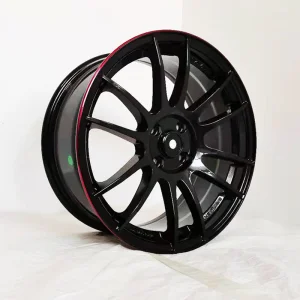
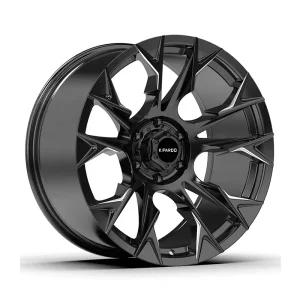
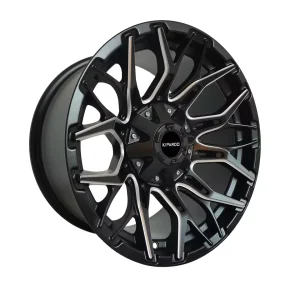
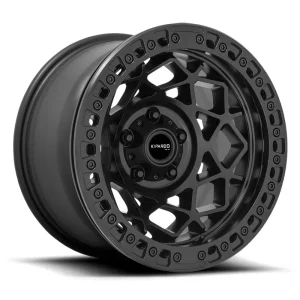
Featured High-Performance Alloy Wheels & Refurbishment Bases
Engineered for structural resilience and OEM compatibility, providing baseline wheel substrates and professional refinishing capabilities.
Global Industry Evolution: Circular Economy in Wheel Manufacturing
The transition from disposal-centric wheel logistics to precision remanufacturing and OEM-certified restoration kits.
Rising ESG & Scope 3 Decarbonization
Global automotive consortia and Tier-1 suppliers are prioritizing circular workflows. Sourcing industrial rim restoration systems reduces primary aluminum smelting requirements by up to 85%, significantly mitigating greenhouse gas footprints across fleet lifecycle maintenance cycles.
Severe OEM Curb Abrasion Dynamics
With modern EV curb weights increasing by an average of 25–35% due to high-voltage battery packs, rim sidewall deflection and rim scrape liabilities have spiked exponentially. Commercial fleets demand scalable, fast-turnaround restoration toolkits that reinstate wheel structural integrity.
Surface Recalibration & Tolerance Control
Contemporary restoration kits exceed simple cosmetic epoxy repairs. OEM-grade restorative technologies incorporate radial runout correction, metallurgical thermal conditioning, and optical CNC pass matching for diamond-cut faces, guaranteeing zero imbalance.
Enterprise Procurement Demands: What Tier-1 Buyers Require
B2B procurement criteria analyzed across 500+ commercial vehicle fleets, wheel remanufacturing factories, and wholesale distribution hubs.
Alloy Formulation Parity
Chemical composition alignment with A356.2 low-pressure cast alloys and 6061-T6 forged matrices. Restoration fillers and brazing compounds must exhibit thermal expansion coefficients compatible with OE parent metals.
Process Reproducibility
Kits must include standardized multi-grit abrasive grading, automated UV/thermal curing primers, and micro-meter level lacquer clears that allow floor technicians to replicate OE micron depths consistently.
Corrosion Passivity Testing
Restored surfaces must withstand ASTM B117 salt spray endurance for a verified minimum of 720 to 1,000 hours without filiform creep, peeling, or micro-cracking across bead seat interfaces.
Full Supply Chain Traceability
Batch-coded chemical agents, SDS-compliant resins, and factory-certified tool wear limits are mandatory for enterprise audit compliance, providing verifiable safety trails for insured re-sale.
Engineered Restoration Protocol: The 5-Phase Technical Roadmap
Our OEM factory-developed remanufacturing methodology engineered to preserve radial fatigue resistance and structural dynamic equilibrium.
NDT & Runout Check
Non-destructive eddy current and fluorescent dye testing identify micro-fissures, followed by dynamic dial indicator runout checks (<0.3mm threshold).
Substrate Pre-Treatment
Contaminant degassing and alkaline ultrasonic deoxidization strip damaged clearcoats without scouring the structural aluminum parent boundary.
Metallurgical Bonding
Micro-welding or molecular metallic filler application restores lost aluminum mass while ensuring structural homogeneity under T6 thermal constraints.
CNC Diamond Profiling
Digitally mapped lathe profiling restores OEM grooving patterns, followed by automated powder primer electrostatic layer deposition.
Passivation & Clear Seal
Application of high-solid acrylic or polyester clearcoats cured under dual-spectrum infrared radiation to deliver OEM gloss and stone-chip protection.
Manufacturing Scale & Performance Verification
Documented factory metrics supporting the production of cast, forged, and wheel restoration platforms.
Localized Regulatory Frameworks & Environmental Compliance
Ensuring cross-border compliance across North American, European, and Asia-Pacific regulatory regimes.
EU REACH & VOC Thresholds
All kit paints, primers, and curing hardeners are formulated in strictly compliant low-VOC configurations (<420 g/l), meeting REACH chemical registration annexes to ensure frictionless import clearance into EU markets.
US EPA & OSHA Operational Safety
Our restoration chemical suites include bilingual SDS, non-isocyanate clear alternatives, and heavy-metal-free curing stabilizers optimized for worker safety in automotive collision and service centers.
TÜV & JWL Refurbishment Safety Standards
Engineered to comply with stringent European and Japanese guidelines governing non-destructive rim re-profiling, preventing thermal degradation of underlying heat-treated parent metals.
Advanced Forged, Multi-Piece & Heavy-Duty Wheel Platforms
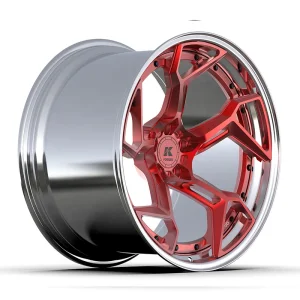
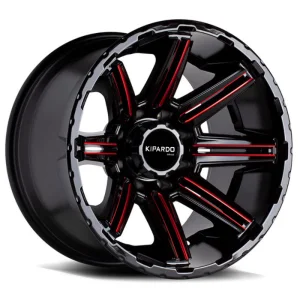
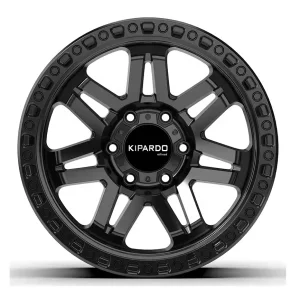
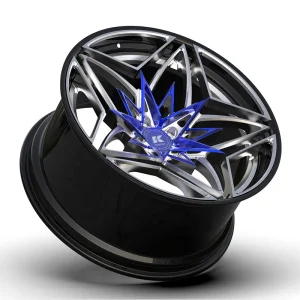
Explore our complete manufacturing portfolio covering luxury multi-piece forged wheels, candy finish series, and off-road applications.
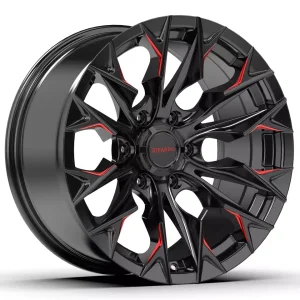
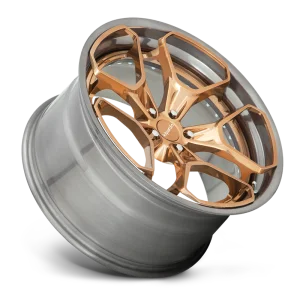
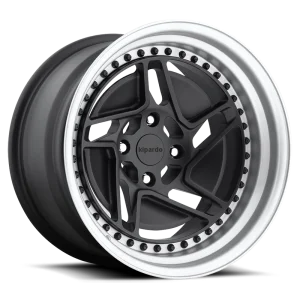
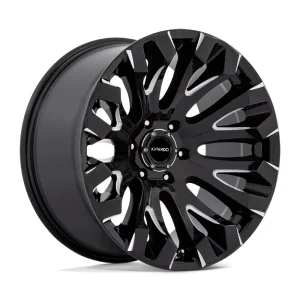
Future Outlook: AI Optical Diagnostics & Robotic Automation
Strategic technological initiatives advancing wheel restoration and precision rim casting over the next generation.
Spectrophotometric AI Color Matching
Integration of handheld spectrophotometers coupled with cloud-hosted OEM paint databases. This system provides sub-delta-E color matching for hypersensitive liquid metal, shadow chrome, and brushed gunmetal finishes without visible blending seams.
Automated Robotic Edge Profiling
Collaborative multi-axis robots equipped with high-resolution 3D laser profilers. These machines automate micro-abrasion and restorative filler dispensation along curb-scuffed outer wheel lips, cutting labor cycles down to 12 minutes per wheel.
Ceramic-Infused Graphene Nano-Coatings
Next-gen clear barriers incorporating dispersed graphene platelets. These formulations double Rockwell scratch hardness, improve brake dust thermal dissipation (up to 450°C), and ensure ultra-hydrophobic run-off properties across all wheel classes.
Frequently Asked Questions (OEM Technical FAQ)
Essential guidance for automotive distributors, wheel refurbishment operations, and supply chain directors.