
Nagoya Direct: High-Performance Forged Lineup
Engineered with 10,000-ton forging presses and aerospace-grade metallurgical grain refinement, these flagship configurations serve tuners, distributors, and fleet modifiers operating throughout the Greater Nagoya region.
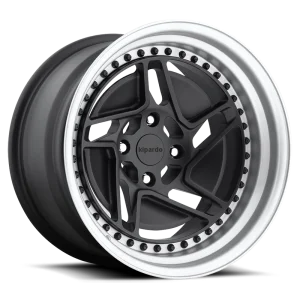
Nagoya Custom 3-Piece Modular Forged Wheel System
View Engineering Specs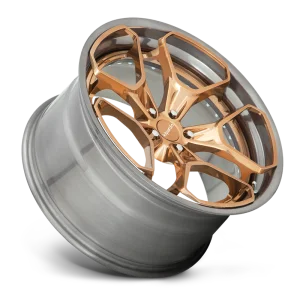
Kipardo Pro-Series Monoblock & 2-Piece Forged Wheels
View Engineering Specs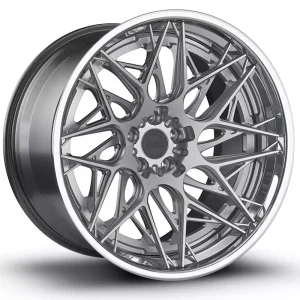
Nagoya Stance Concave 18–24" 6061-T6 Billet Forged
View Engineering Specs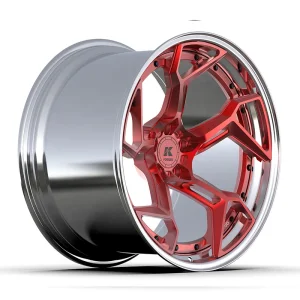
Ultra-Lightweight 18–22" Concave Forged Billet Rims
View Engineering SpecsThe Nagoya Industrial Matrix: High-Precision Demand
Nagoya stands as the capital of Aichi Prefecture and the undisputed epicentre of Japan's Chukyo Industrial Zone—a manufacturing powerhouse responsible for over 40% of the nation's total automotive production output.
Tier-1 Manufacturing Proximity
Situated alongside corporate giants like Toyota Motor Corporation, Denso, and Aisin, procurement officers in Nagoya require uncompromised quality assurance. Our forged wheel manufacturing protocols match the rigorous zero-defect PPM benchmarks demanded by Chukyo's Tier-1 automotive supply chains.
The Suzuka & Fuji Track Heritage
With Suzuka Circuit situated less than 60 kilometers from downtown Nagoya, local tuning ateliers, GT teams, and aftermarket engineering houses demand track-tested rotational inertia reductions. We supply bespoke forged wheels engineered for high-g lateral cornering stiffness and oversized carbon-ceramic brake clearances.
Port of Nagoya Supply Chain Node
As Japan's largest commercial port by total cargo volume, the Port of Nagoya provides a seamless maritime logistics corridor. Our specialized export packing and streamlined container consolidation ensure minimal customs transit latency, allowing just-in-time delivery straight to regional distribution warehouses.
From Billet to Rim: The 6061-T6 Forging Physics
Cast wheels suffer from internal microporosity and non-directional dendritic structures. Our forging process fundamentally rearranges the alloy's crystalline lattice, imparting continuous grain flow aligned with spoke and rim stress trajectories.
The 10,000-Ton Isothermal Hydraulic Compression
Our raw blanks originate from premium, virgin Al-Mg-Si 6061 aerospace ingots. Under an extreme forging load exceeding 10,000 metric tons, the pre-heated aluminum billet undergoes extreme plastic deformation. This closed-die multi-stage forging eliminates molecular air pockets, refines metallurgical grain size to under 15 microns, and yields tensile strength ratings exceeding 310 MPa with yield strengths past 275 MPa—far outstripping conventional A356 casting alloys.
T6 Solution Heat Treatment & Artificial Aging
Following the primary forging stroke, each blank enters an automated, multi-zone heat treatment furnace. Solution treatment at 530°C homogenizes the alloying elements (magnesium silicide precipitates), followed by rapid, pressurized water quenching. Controlled artificial precipitation aging at 175°C for 8 to 12 hours maximizes dislocation pinning within the aluminum matrix, ensuring exceptional fatigue resistance during sustained high-speed autobahn and track cycles.
| Mechanical & Physical Property | Standard Gravity Cast (A356) | Flow-Formed Aluminum | Rimax Aerospace 6061-T6 Forged | Nagoya Market Engineering Impact |
|---|---|---|---|---|
| Ultimate Tensile Strength (UTS) | 220–240 MPa | 260–280 MPa | 310–340 MPa | Enables thinner, razor-sharp spoke designs with zero failure risk. |
| Yield Strength (Rp 0.2) | 150–170 MPa | 190–210 MPa | 275–305 MPa | High resistance to permanent deformation over severe road impacts. |
| Elongation at Break (A5) | 3.0–5.0% | 6.0–8.0% | 10.0–14.0% | Exceptional ductile energy absorption during 13-degree impact tests. |
| Rotational Weight (19x9.5J) | Approx. 12.8 kg | Approx. 10.4 kg | Approx. 8.7 kg (-32%) | Massive unsprung weight reduction; sharper steering feedback. |
| Internal Grain Structure | Dendritic, micro-porous | Elongated rim barrel only | Continuous, aligned grain flow | Eliminates structural crack propagation along the spoke root. |
Global B2B Sourcing: Solving Complex Tier Logistics
Automotive procurement directors in Japan face mounting challenges: escalating raw material costs, shifting exchange rates, and rigorous homologation scrutiny. We provide macro solutions designed to mitigate supply volatility.
Agile MOQs for Low-Volume High-Mix SKUs
Unlike casting factories requiring minimum production runs of 300 to 500 units per mold, our CNC billet machining infrastructure allows flexible batch sizes starting at just 4 to 20 units. This allows Nagoya boutique tuners, exotic car dealerships, and specialty builders to launch proprietary bespoke wheel series without heavy capital lockup.
Private-Label Full Custom Engineering
We provide full white-glove ODM/OEM support including custom laser engraving, tailored billet center caps, specific back-pad pocketing for brake caliper clearance, and custom bolt circle patterns (PCD) matched directly to Japanese domestic platforms (5x114.3, 5x100) or European luxury imports (5x112, 5x120, 5x130, center-lock).
Guaranteed Finish & Coating Longevity
Coastal climatic conditions in Aichi and winter road-salting across the neighboring Chubu mountain passes demand superior corrosion resistance. Our multi-stage pretreatment, electro-deposition primer, dynamic powder coats, and UV-resistant acrylic clears pass 1,000-hour CASS salt spray testing without micro-delamination.
FEA Topology Optimization & Modular Architecture
Every wheel profile undergoes Finite Element Analysis (FEA) to simulate cornering, radial load deflection, and dynamic impact stress concentrations before a single chip of aluminum is cut on our 5-axis CNC machines.
1-Piece Monoblock Design
Carved from a singular 6061-T6 forged cylinder. Monoblock construction delivers the highest structural rigidity and lowest overall mass. Favored by circuit-oriented drivers across Suzuka and Mikawa, monoblocks yield razor-sharp steering turn-in and maximum resistance against spoke deflection during extreme braking deceleration.
2-Piece Welded / Bolted Modular
Combines a forged aluminum center spider fastened or friction-stir welded to a spun forged 6061 rim barrel. This hybrid configuration provides deep-lip aesthetics, customizable offsets to within 1mm increments, and modular serviceability while maintaining a weight profile vastly lighter than traditional cast equivalents.
3-Piece Classic Modular Assembly
Features an aerospace forged center, an outer lip (outer rim half), and an inner barrel (inner rim half) secured with high-tensile titanium or grade 12.9 ARP hardware. Sealed with high-grade synthetic silicone elastomers, 3-piece wheels offer infinite width configurations (up to 15J) and bespoke offset tailoring for widebody builds.
Compliance for Japan: JWL, VIA & JAWA Standards
Entering the Japanese automotive aftermarket requires strict adherence to technical safety mandates codified by Japan's Ministry of Land, Infrastructure, Transport and Tourism (MLIT). Our quality assurance systems replicate and exceed these domestic benchmarks.
JWL (Japan Light Alloy Wheel) Self-Certification
Technical standards mandated by MLIT apply to all passenger car wheels sold within Japan. Our in-house testing facility subjects every wheel design iteration to JWL mechanical stress criteria: Dynamic Radial Fatigue testing (exceeding 500,000 revolutions under heavy radial load), Dynamic Cornering Fatigue testing (minimum 100,000 bending moment cycles), and the critical 13-degree Impact Test (reproducing curb strikes without air loss or rim fracture).
VIA Verification & JAWA Membership Standards
Administered by the Japan Vehicle Inspection Association (VIA), third-party verification provides official registry credentials. We provide complete documentation sets, material spectroscopic analysis certificates, coordinate measuring machine (CMM) dimensional reports, and serial-number trace logs to assist Japanese importers in securing JAWA (Japan Alloy Wheel Association) quality certification badges.
Customs Clearance & Nagoya Port Handling
Operational friction kills supply chain margins. We provide specialized containerization and logistics engineering tailored specifically for shipments entering the Chukyo region through the Port of Nagoya.
Custom Engineered Export Crating
Forged wheels undergo multi-layer protective packaging: soft flannel face covers, edge-locking EPE foam perimeter rings, heavy-duty 5-ply corrugated cartons, and vacuum-sealed desiccant pouches to prevent maritime salt-air oxidation during ocean transit across the East China Sea.
Streamlined Nagoya Port Entry
Direct liner services connect major East Asian manufacturing ports to Nagoya Port container terminals (Tobishima and Meiko). Our dedicated logistics operations prepare precise commercial invoices, packing lists with Harmonized System (HS) code 8708.70, and Japan-China RCEP Certificate of Origin documentation for preferential import duty rates.
Just-In-Time Warehousing Integration
For regional distributors across Aichi, Gifu, and Mie prefectures, we coordinate scheduled container drops and split-LCL consolidations, synchronizing container dock arrival with your internal ERP stocking thresholds to optimize working capital turnover.
Technical Roadmap: Next-Gen EV & Aerodynamic Wheels
As Japan accelerates the transition toward electrified mobility and intelligent chassis dynamics, forged wheels are evolving from passive cosmetic enhancements into active aerodynamic and energy-saving components.
AI Generative Design
Utilizing generative topology algorithms to redistribute billet aluminum along load vectors, shaving an additional 12% off unsprung mass while increasing spoke fatigue thresholds.
Aero-Forged Hybrid Inserts
Integrating autoclaved carbon-fiber aerodynamic blades onto high-tensile forged spokes, reducing drag coefficient (Cd) for long-range electric sedans and performance hybrids.
EV High-Torque Bead Knurling
Implementing aggressive, precision-machined inner and outer bead knurling to completely prevent tire slippage caused by the instant 1,000+ Nm torque spikes of modern dual-motor EV platforms.
Circular Metallurgy & Net-Zero
Transitioning toward closed-loop hydroelectric-smelted low-carbon 6061-T6 aluminum alloys, matching corporate ESG sustainability mandates established by leading Japanese OEMs.
Frequently Asked Questions for Nagoya Importers & Engineers
Direct answers to technical, commercial, and regulatory inquiries commonly raised by Japanese automotive distributors, tuning companies, and fleet operators.
How do Rimax forged wheels guarantee compliance with Japanese JWL and VIA regulations?
Every wheel design we engineer undergoes comprehensive structural validation strictly following the technical standards set forth by Japan's Ministry of Land, Infrastructure, Transport and Tourism (MLIT). Our internal testing facility is equipped to conduct the three fundamental JWL tests: the Dynamic Radial Fatigue test, the Dynamic Cornering Fatigue test, and the 13-degree Impact test.
Furthermore, we coordinate with the Japan Vehicle Inspection Association (VIA) to provide all necessary documentation, metallurgical spectrometry reports, and FEA data packets required for smooth domestic registration and JAWA approval.
What are the minimum order quantities (MOQ) for custom-engineered forged wheels destined for Nagoya?
Because forged wheels are CNC machined from solid 6061-T6 aluminum billets without requiring dedicated casting molds, we offer ultra-flexible MOQ terms. For custom monoblock designs, our MOQ starts at just 1 set (4 wheels) for bespoke prototyping or exotic builds. For private-label commercial brand series, our volume pricing tiers begin at 20 wheels (5 vehicle sets), allowing Nagoya-based distributors to maintain lean inventory while offering diverse size and finish combinations.
Can Rimax produce custom offsets (ET), bolt patterns (PCD), and hub-centric bores for JDM vehicles?
Yes. Every aspect of the wheel profile—including PCD (e.g., 5x114.3 for Toyota/Nissan, 5x100 for Subaru, 5x120 for Civic Type R, 6x139.7 for Land Cruiser), center bore machined to exact OE hub tolerances for vibration-free direct fitment, and offset (ET) adjustable down to 0.5mm precision—is customized per order. We also engineer specific back-pad pockets to clear oversized aftermarket brake kits like Endless, Brembo, or AP Racing.
What is the typical production and maritime transit lead time to the Port of Nagoya?
From final 3D CAD drawing sign-off and FEA verification, our typical CNC machining and surface finishing production timeline takes 15 to 25 business days. Maritime container transit from our export consolidation hub to the Port of Nagoya takes approximately 3 to 5 days on direct ocean shipping lanes. This ensures total order-to-door delivery within 4 to 6 weeks, far outpacing typical industry averages.
How does 6061-T6 aerospace aluminum compare to casting alloys like A356 in real-world Japanese road conditions?
A356 casting aluminum typically achieves tensile strengths of 220–240 MPa with relatively low elongation (3–5%). In contrast, Rimax aerospace-grade 6061-T6 forged aluminum achieves tensile strengths of 310–340 MPa and elongation rates of 10–14%. This dramatic increase in material ductility and yield strength means a forged wheel can withstand severe pothole impacts without cracking or shattering, absorbing dynamic energy safely while reducing rotational unsprung weight by up to 30%.
What surface finishes are available to withstand winter road salt in the Chubu / Gifu highlands?
To resist galvanic corrosion from chemical de-icers used heavily on Chubu expressways, we utilize a specialized 4-layer coating process: zirconium anti-corrosion pre-treatment, electrostatic powder primer, high-durability color pigment, and UV-stabilized acrylic clear coat. Finishes include gloss, satin, and matte black, brushed aluminum with tinted clear coats, diamond-cut machine faces, hand-polished barrels, and bespoke anodized coatings.
Industrial & Performance Wheel Catalog Serving Greater Nagoya
Explore our complete catalog spanning ultra-luxury multi-piece configurations, high-load off-road wheels for Land Cruiser / Prado platforms, and high-volume commercial alloy lines.
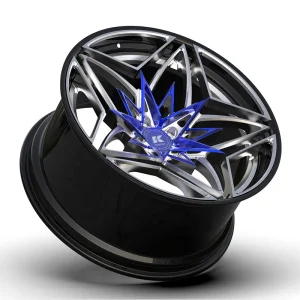
Nagoya Bespoke 18–30" 2-Piece & 3-Piece Modular Forged Rims
Inquire Pricing & Specs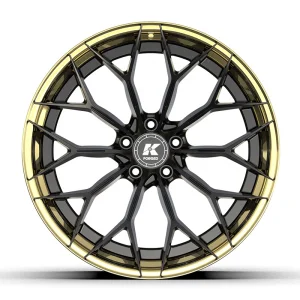
Kipardo Executive Luxury 3-Piece Custom Forged Wheels
Inquire Pricing & Specs
Nagoya Atelier Edition 3-Piece Precision Forged Wheels
Inquire Pricing & Specs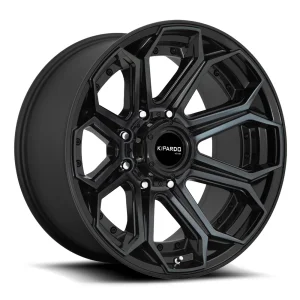
Nagoya 4x4 Offroad 17–20" 6x139.7 Rims for Lexus GX & Land Cruiser
Inquire Pricing & Specs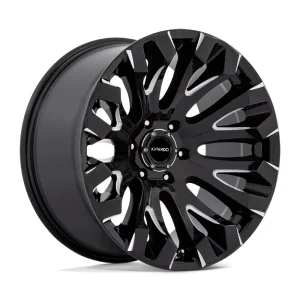
Wholesale 20X8/20X10 4x4 Candy Red Rims (PCD 6x139.7 / 5x150)
Inquire Pricing & Specs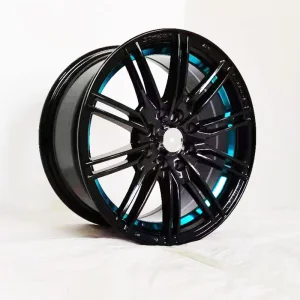
Nagoya Metro 15" Black Machined-Face Compact Alloy Wheels
Inquire Pricing & Specs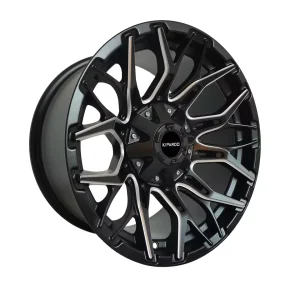
Kipardo 17–18" 5/6-Hole Custom Cast Off-Road Aluminum Wheels
Inquire Pricing & Specs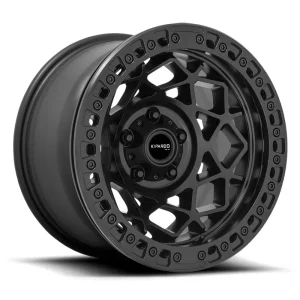
ODM 17–20" Satin Black Reinforced 4x4 Off-Road Alloys
Inquire Pricing & SpecsInitiate Your Forged Wheel Engineering Program for Nagoya
Whether you require a proprietary line of JWL-compliant monoblock forged wheels for an Aichi tuning atelier or full-container commercial replenishment via the Port of Nagoya, our engineering team delivers precision, compliance, and competitive factory-direct margins.