
Featured Cast & Forged Assemblies: Top Tier Exporter Catalog
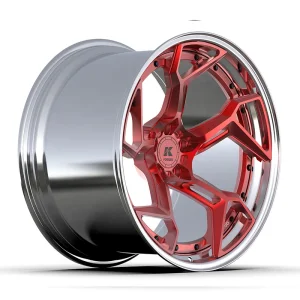
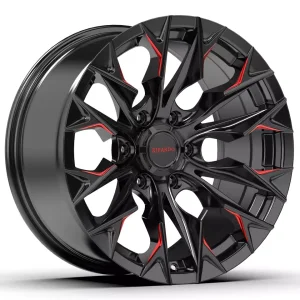
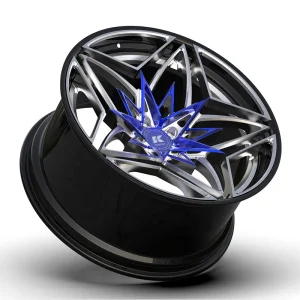
Direct factory-manufactured alloy platforms, fully compliant with international JWL/VIA and SAE J2530 safety standards.
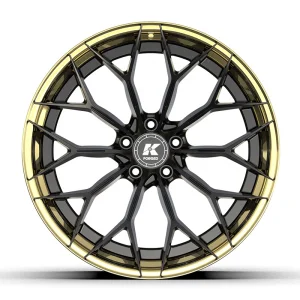
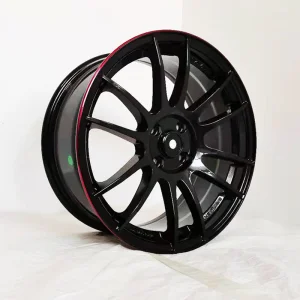
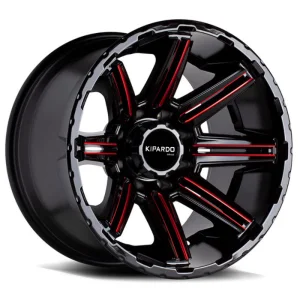
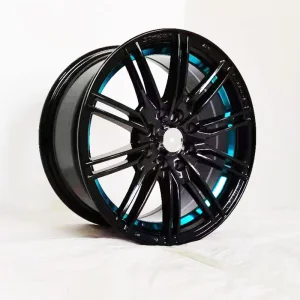
The Industrial Reality of Alloy Restoration & OEM Remanufacturing
From curbing damage rectification to complete structural recertification: analyzing the shift toward industrial-grade refurbishment tooling, chemical bonding agents, and high-volume export supply.
Metallurgical Fatigue & Grain Alignment
Standard aftermarket cosmetic repairs frequently ignore micro-fissuring within the A356.2 or 6061-T6 alloy matrix. Modern industrial alloy restoration systems incorporate localized liquid penetrant inspection (DPI) and high-frequency ultrasonic testing to verify substrate integrity prior to thermal re-profiling.
Cost Arbitrage vs. Core Replacement
With global freight volatility impacting landed costs of complete alloy wheel assemblies, remanufacturers and tire wholesale centers rely on discount alloy restoration packages. These kits bridge consumer warranty needs with significant unit-cost margins across fleet vehicle management operations.
Exporters & Supply Chain Consolidation
Export companies in China have evolved from simple accessory exporters into integrated engineering hubs. They deliver end-to-end tooling suites: high-adhesion metal resins, ceramic-infused clear coats, diamond-cut CNC profile scanners, and precision curing hardware.
Technical Roadmap: Substrate Metallurgy & Restoration Chemistry
Understanding how cast microstructures interact with chemical filling compounds, powder electrostatic coats, and diamond lathe surfacing.
1. Chemical Stripping & De-oxidizing
Complete removal of degraded OEM lacquer, brake dust sintering, and atmospheric chlorides. Advanced pH-neutral, acid-free tank systems strip powder coat while leaving A356.2 or forged aluminum bases completely free of hydrogen embrittlement.
2. Cold-Weld Alloy Infilling
High-molecular-weight epoxy-metallic composites enriched with micro-pulverized aluminum platelets. Formulated to provide matched thermal expansion coefficients (CTE) that eliminate cracking during high-temperature braking cycles.
3. Automated Diamond Profiling
Restoring OEM machine-faced aesthetics demands digital probe tracing and optical coordinate measurement. Modern mobile restore trailers use dual-axis CNC lathes that remove less than 0.05mm of parent material per pass.
4. Thermoset Clear Shielding
The final restoration barrier combines acrylic thermoset primers with ceramic-enriched, UV-stable topcoats. Every batch is evaluated under CASS (Copper-Accelerated Acetic Acid Salt Spray) testing to meet OEM 240-hour resistance thresholds.
Global Implementation Paradigms: Where Engineering Meets Industry
Localized deployment profiles across regional distribution centers, municipal vehicle depots, and high-performance racing tracks.
Commercial Fleet Management (North America & EU)
Logistics operations maintain rigid timelines. Mobile repair technicians deploy fully self-contained alloy refinishing kits inside service vans, repairing rim bead corrosion and curb abrasion on-site without demounting commercial utility tires.
Extreme Overland & Offroad (GCC & Australia)
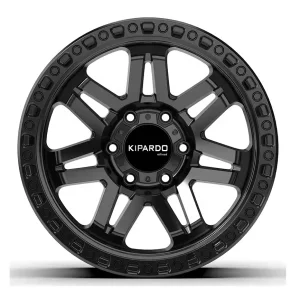
In desert dune-bashing and remote outback conditions, beadlock wheel assemblies endure heavy rock strikes. Heavy-duty field kits deliver structural composite infill that cures within 20 minutes under ambient desert heat.
EV Lightweighting & Aerodynamic Rim Restorations
Electric vehicles feature large-diameter aerodynamic wheels with plastic inserts and diamond-cut edges. Specialized EV restoration systems preserve aero-efficiency and maintain low wheel weight without upsetting delicate rotational balance.
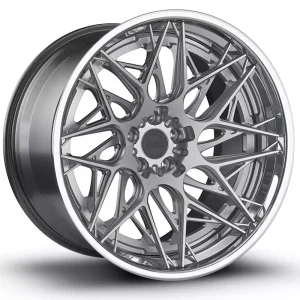
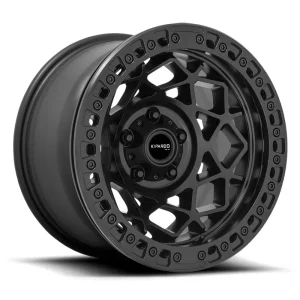
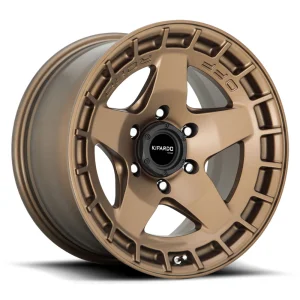
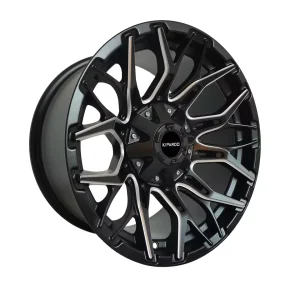
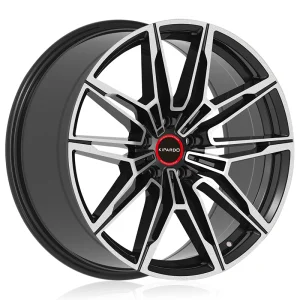
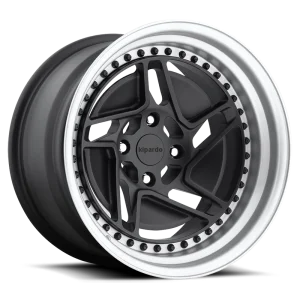
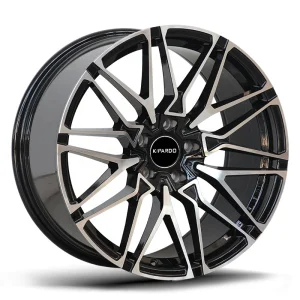
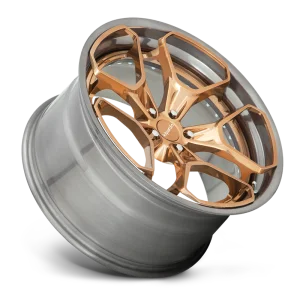
Enterprise Line: Wholesale Casting & Multi-Piece Forged Collections
Engineered to original PCD, offset (ET), and center bore specifications. Tested across dynamic radial, cornering, and 13-degree fatigue items.
Engineering & Export Compliance: Frequently Asked Questions
Addressing import clearance, safety certifications, material fatigue, and bulk pricing dynamics for global distribution partners.