
Primary Engineering Series: Forged & High-Load Custom Hubs
Engineered for high torque endurance, unyielding structural fatigue thresholds, and race-grade unsprung rotational weight reduction.
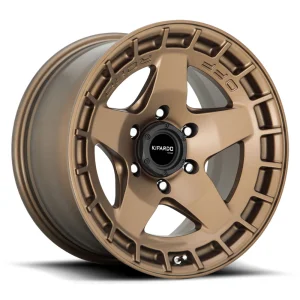
China Kipardo 17 18 inch high quality factory wholesale aluminum alloy rims 4x4 offroad wheels Manufacturer, Companies
View Specifications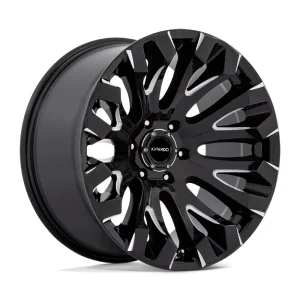
Wholesale Alloy wheels rims 20X8 20X10,4x4 rines wheels candy red 16x8 17x9 pcd 6x139.7 5x150 offroad wheels Supplier, Exporters
View Specifications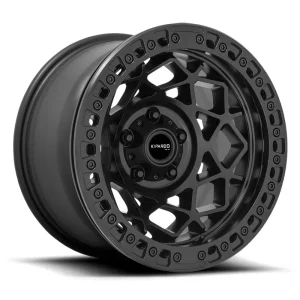
ODM Kipardo 17 20 inch factory wholesale black custom cast aluminum alloy rims 4x4 offroad wheels Manufacturer, Products
View Specifications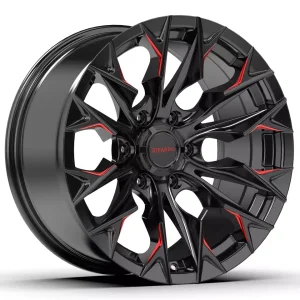
Discount Kipardo RTS 17x9 4x4 alloy car wheels with pcd 6x139.7 6x114.3 5x150 velg offroad wheels Quotes, Exporter
View Specifications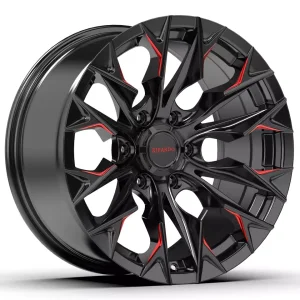
Cheap Kipardo 16 17 18 inch 6 hole custom casting car aluminum alloy rims 4x4 offroad wheels Exporters, Service
View Specifications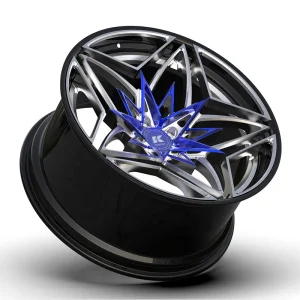
Custom Kipardo Custom 18 to 30 inch 2 Pieces forged wheels 3 Pieces forged Rims Pricelist, Exporters
View Specifications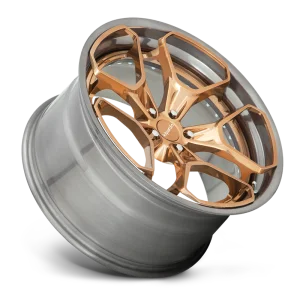
OEM Kipardo alloy wheels Forged car 3 pieces forged wheels 2 pieces,monoblock Manufacturer, Products
View Specifications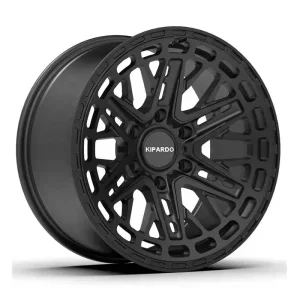
Wholesale Kipardo China factory 20 inch 5 6 hole alloy rims aluminum 4x4 offroad wheels Supplier, Factories
View SpecificationsGlobal Commercial Landscape: The Dominance of Black Forged Rims
Strategic market analysis of high-pressure consolidated aluminum wheels across OEM tier-1 networks and luxury aftermarket distribution.
The global automotive forged wheel market has transitioned through a structural paradigm shift over the past decade. Previously reserved exclusively for Formula 1 teams, aerospace components, and hypercar platforms, black forged rims have emerged as the paramount revenue-generating SKU across premier aftermarket dealerships, off-road outfitters, and luxury conversion houses worldwide.
Valued at approximately USD 4.85 billion in 2023, the global aluminum forged wheel ecosystem is projected to expand at an aggressive compound annual growth rate (CAGR) exceeding 8.2% through 2032. This demand surge is anchored fundamentally in the convergence of two market imperatives: structural lightweighting dictated by new energy vehicle (NEV) battery load constraints, and the sweeping consumer shift toward bespoke, aggressive aesthetics defined by satin, gloss, and textured matte black surface treatments.
Leading manufacturing facilities throughout East Asia and Europe have adopted closed-die, multi-directional hydraulic forging systems capable of exerting between 8,000 and 12,000 metric tons of continuous compressive load. By subjecting cylindrical aerospace-grade 6061 aluminum alloy billets to these extreme thermo-mechanical stresses, producers eliminate metallurgical porosity, align crystal grain boundaries parallel to spoke curvature, and establish unmatched structural yield and tensile strengths. As a result, automotive distributors partnering with tier-one manufacturing plants enjoy significantly lowered warranty return rates, elevated profit margins, and seamless compliance with international verification standards including JWL, VIA, TÜV, and SAE J2530.
Metallurgical Science: 6061-T6 Monoblock vs Multi-Piece Engineering
Understanding the microstructural grain consolidation and finite element mechanics behind high-load forged wheel assemblies.
Monoblock Forging Architecture
Machined from a single solid billet of 6061-T6 aluminum using high-speed 5-axis CNC machining centers. Features unbroken grain flow structures that radiate from the center hub bore out through the spokes into the outer rim flange, maximizing torsional stiffness under extreme lateral G-forces.
2-Piece & 3-Piece Modular Construction
Combines a forged center star disc with spun, flow-formed inner and outer rim barrels secured with Grade 12.9 titanium or stainless ARP assembly hardware. Enables infinite variations in wheel widths, custom offsets (ET), and deep concave profiles tailored for bespoke sports builds.
Corrosion-Resistant Surface Science
Black finishes require advanced pre-treatment chemistry. Utilizing automated multi-stage zirconium wash systems, cathodic electrodeposition (CED), and premium thermosetting fluorocarbon powder coatings, finished wheels resist over 1,500 hours of continuous ASTM B117 salt spray exposure without micro-blistering.
In standard low-pressure casting, molten aluminum (such as A356.2) is poured or injected into steel molds. While economical, casting inevitably retains micro-porosity and random dendrite formations, necessitating thicker spoke profiles and heavy mass reinforcements to meet structural safety thresholds. Conversely, our 10,000-ton forging presses recrystallize the aluminum matrix, reducing grain size to sub-micron scales and elevating tensile yield strength past 275 MPa (with ultimate tensile strengths exceeding 310 MPa).
Technological Trends: EV Dynamics, Topology Optimization & Green Smelting
Exploring the industrial frontier: How generative AI and electric vehicle architectures are transforming black forged wheel production.
AI Generative Topology Optimization
By leveraging cloud-based finite element analysis (FEA) algorithms, rim designers simulate millions of load vectors across simulated road impacts, pothole drop tests, and dynamic cornering loads. Structural metal is mathematically eradicated from non-load-bearing spoke valleys, achieving aggressive skeletal black styling with ultra-low inertia.
EV Weight & Aero Friction Optimization
Electric vehicles generate immense instantaneous torque and possess elevated curb weights due to battery packs. Forged wheels engineered for EV platforms incorporate directional aero-turbines, high-strength bead knurling to eliminate tire bead slip, and aerodynamic flat-spoke black profiles that prolong driving range by up to 5%.
Low-Carbon Recycled Aerospace Billets
Global regulatory frameworks and ESG auditing across automotive supply chains demand reduced Scope 1 and Scope 2 emissions. Premier manufacturing hubs now utilize secondary smelting fueled by renewable hydroelectric power, incorporating up to 70% certified post-industrial 6061 alloy scrap without degrading tensile strength.
Regional Application Scenarios & Geo-Specific Demands
Analyzing how climate, road topology, and cultural customization trends shape global procurement priorities for black forged rims.
North America: Heavy-Duty Overland & Baja Fitments
Dominated by high-payload pickup platforms (Ford F-150 Raptor, RAM TRX, Chevy Silverado 2500) and off-road trail vehicles. Focus centers on 17-inch to 20-inch monoblock black forged wheels boasting extreme wheel load ratings (exceeding 2,500 to 3,650 lbs per wheel), aggressive negative offsets, and functional beadlock rings designed for rock crawling.
Europe: High-Speed Autobahn & Track GT Programs
Characterized by rigorous TÜV structural strain verifications and strict scrub radius requirements. European drivers demand staggered 20-inch to 23-inch setups for performance sedans and grand tourers (Porsche 911 GT3, BMW M8, Audi RS6). Satin black and gloss black finishes dominate, with deep concavity sculpted to clear 420mm carbon-ceramic brake calipers.
Middle East: Extreme Dunes & Armored VIP Fleets
Subjected to high ambient thermal loads (up to 55°C) and abrasive silica sand conditions. Monoblock 22-inch to 24-inch custom forged black wheels are specified for flagship SUVs (Toyota Land Cruiser 300, Nissan Patrol NISMO, Mercedes-AMG G63). Heat-treated structural warranties and high-durability clear-coat systems are essential to prevent finish degradation.
Comparative Engineering Matrix: Manufacturing Technologies
Comprehensive benchmarking of structural, physical, and commercial attributes across industry wheel production methods.
| Performance Criteria | Monoblock Forged (6061-T6) | Modular Multi-Piece Forged | Flow-Formed / Rotary Spun | Low-Pressure Cast (A356.2) |
|---|---|---|---|---|
| Hydraulic Compaction | 10,000 Metric Tons Closed-Die | 8,000–10,000 Ton Center Disc | None (Rotary Barrel Pressure) | Atmospheric / Low Injection (0.2–0.5 bar) |
| Yield Strength (Rp 0.2) | > 275–290 MPa | > 265–280 MPa | ~ 180–210 MPa (Barrel) | ~ 130–160 MPa |
| Elongation at Break (A5) | 10% – 14% (Ductile) | 9% – 12% (Ductile) | 6% – 8% | 3% – 5% (Brittle Under Extreme Shock) |
| Unsprung Mass Efficiency | Maximum (-25% to -30% vs Cast) | High (-15% to -22% vs Cast) | Moderate (-10% to -15% vs Cast) | Baseline Reference Weight |
| Dynamic Cornering Fatigue | > 250,000 Cycles without Failure | > 200,000 Cycles without Failure | JWL/VIA 100,000 Cycles | JWL/VIA 100,000 Cycles Threshold |
| Bespoke Offset & Width Flexibility | Infinite (Individual CNC Toolpaths) | Ultra-High (Modular Lip & Barrel Swap) | Limited to Existing Tooling Dies | Fixed (Steel Tooling Molds Required) |
| Target Application Ecosystem | Motorsport, Supercars, Hyper-EVs | Custom Stance, VIP Luxury Sedans | Performance Aftermarket, Track Day | High-Volume Wholesale, OE Replacement |
As illustrated in the testing matrix above, monoblock 6061-T6 black forged wheels exhibit unmatched plastic elongation before fracture. When subjected to the standardized 13-degree ISO 7141 / JWL lateral impact drop hammer, a forged wheel deforms plastically rather than shattering catastrophically, preserving tire bead retention and preventing sudden vehicular loss of control at high speeds.
Technical FAQ: Industry Expert Sourcing Guidance
Addressing core procurement questions, load rating mathematics, and finish maintenance for commercial wheel buyers.
Why do black forged rims command a price premium over standard cast wheels?
What is the difference between Gloss Black, Satin Black, and Matte Black finishes?
How do black forged wheels improve dynamic vehicle performance and battery range?
How are structural load ratings calculated for heavy-duty 4x4 forged wheels?
Can forged wheels be customized for proprietary private-label brand requirements?
Advanced Custom Forged & Heavy-Duty Offroad Rims
Engineered for full-size pickups, tactical overlanding rigs, and bespoke luxury concavity profiles.
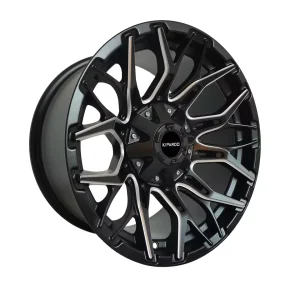
Cheap Kipardo 17 18 inch 5 6 hole factory custom casting car aluminum alloy rims 4x4 off road wheels Exporter, Product
View Specifications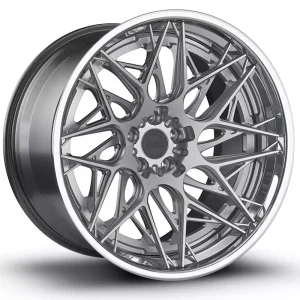
Discount Kipardo 18 inch to 24 inch fully custom 6061-T6 aluminum concave forged wheels Suppliers, Company
View Specifications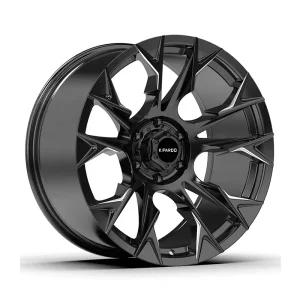
Custom Kipardo 20 inch factory wholesale 5 6 hole aluminum alloy rims 4x4 offroad wheels Supplier, Companies
View Specifications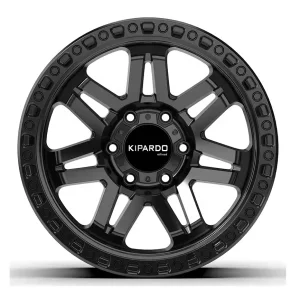
China Kipardo 17 18 inch factory wholesale 6 hole custom car aluminum alloy rims 4x4 offroad wheels Supplier, Service
View Specifications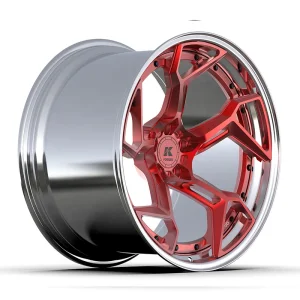
OEM Kipardo Custom 18 19 20 21 22 inch 6061-T6 aluminum concave forged wheels Suppliers, Exporter
View Specifications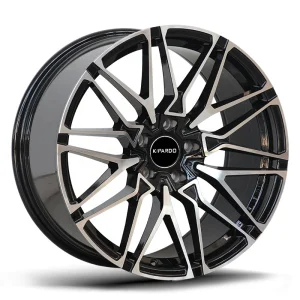
Custom Kipardo 19 20 21 22 inch factory custom wholesale luxury alloy rims aluminum 4x4 offroad wheels Exporter, Service
View Specifications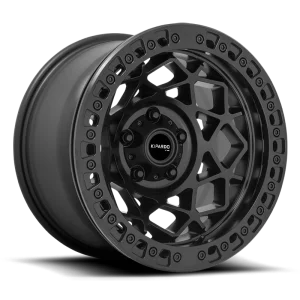
Buy KIPARDO manufacturer 6 holes 17 inch 4x4 wholesale aluminum alloy wheels rims Supplier, Quotes
View Specifications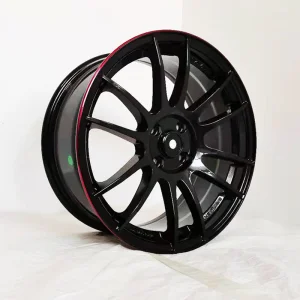
Cheap KIPARDO 15 inch 5x100 undercut red new japan design wheel Quotes, Products
View SpecificationsTurnkey OEM/ODM Global Wholesale Solutions
From initial rapid 3D CAD modeling to high-volume containerized sea freight logistics.
Rapid Prototype Engineering
Clients submit vehicle fitment parameters or aesthetic design sketches. Our engineering design studio delivers parametric 3D CAD renderings and FEA stress distribution reports within 48 hours, enabling digital fitment validation before cutting the first billet.
Rigorous In-Line Metrology
Every forged blank is subjected to real-time coordinate measuring machine (CMM) dimensional verification, dynamic balance verification within 5 grams, helium mass spectrometer air-tightness testing, and complete radiographic X-ray inspection for zero internal voids.
Global Multimodal Logistics
Equipped with customized export palletization, corner edge protectors, anti-static moisture barriers, and custom private-label printed cartons. We manage seamless FOB, CIF, or DDP ocean shipping protocols directly to distributor warehouses throughout Europe, North America, and Australia.