Direct Sourcing Selection
Featured Monoblock & Extreme-Duty Alloy Wheel Portfolios
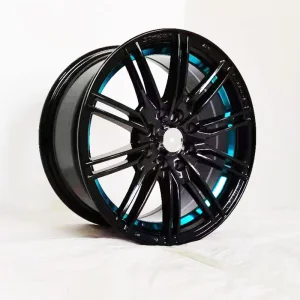
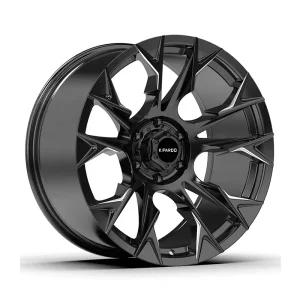
Direct factory access to Kipardo precision-crafted monoblock forged, off-road high-offset, and cast aluminum rim architectures certified for worldwide distribution.
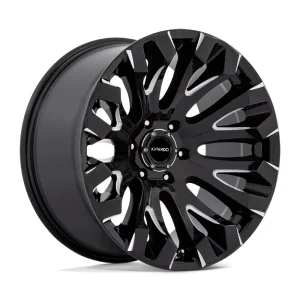
Wholesale Alloy wheels rims 20X8 20X10,4x4 rines wheels candy red 16x8 17x9 pcd 6x139.7 5x150 offroad wheels Supplier, Exporters
Configure Fitment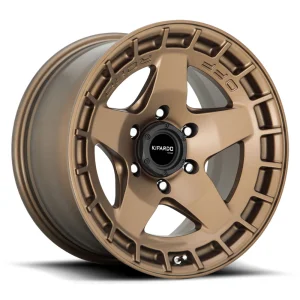
China Kipardo 17 18 inch high quality factory wholesale aluminum alloy rims 4x4 offroad wheels Manufacturer, Companies
Configure Fitment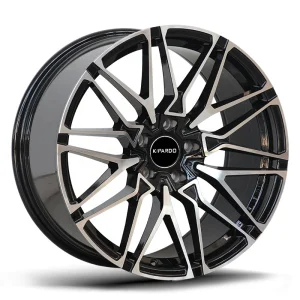
Custom Kipardo 19 20 21 22 inch factory custom wholesale luxury alloy rims aluminum 4x4 offroad wheels Exporter, Service
Configure Fitment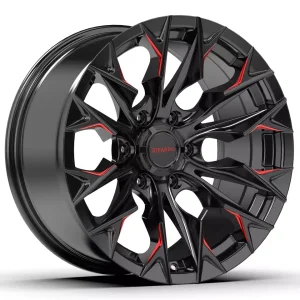
Discount Kipardo RTS 17x9 4x4 alloy car wheels with pcd 6x139.7 6x114.3 5x150 velg offroad wheels Quotes, Exporter
Configure Fitment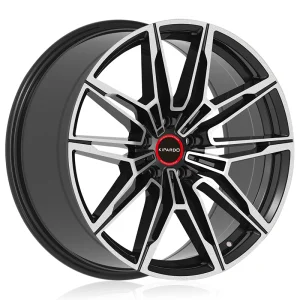
China Kipardo 18 19 20 inch factory wholesale cast alloy rims aluminum 4x4 offroad wheels Manufacturers, Suppliers
Configure Fitment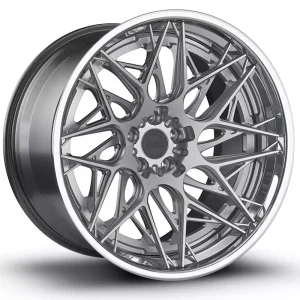
Discount Kipardo 18 inch to 24 inch fully custom 6061-T6 aluminum concave forged wheels Suppliers, Company
Configure Fitment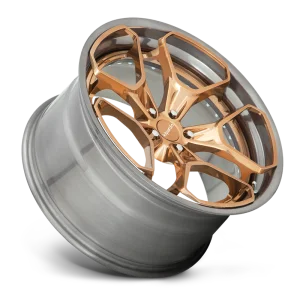
OEM Kipardo alloy wheels Forged car 3 pieces forged wheels 2 pieces,monoblock Manufacturer, Products
Configure Fitment
Industry Technical Whitepaper
Macro Industrial Solutions: The Structural Supremacy of Monoblock (Forged 1-Piece) Architecture
In automotive wheel manufacturing, the transition from conventional gravity and low-pressure casting to advanced 1-piece forged aluminum (Forged 1 Wheels) signifies an engineering revolution. As vehicle kerb weights increase with EV battery packs and high-performance hybrid powertrains, wheel assemblies are exposed to multi-axial mechanical stresses that cast alloys struggle to withstand without prohibitive mass penalties.
Rotational Inertia Elimination
Forged 1-piece wheels optimize the polar moment of inertia (I = m·r²). By moving mass inward toward the hub pad and dramatically thinning the wheel barrel profile via 10,000-ton forging compaction, drivetrain parasitic losses are mitigated by up to 28% compared to traditional cast alloy wheels, delivering instantaneous throttle and braking responsiveness.
EV Battery Range Expansion
For heavy modern BEVs and PHEVs, reducing unsprung mass through monoblock forging directly correlates to decreased rolling resistance and extended kilowatt-hour efficiency. Lightweight 1-piece forged wheels provide up to a 6.2% increase in dynamic highway operating range while easily supporting axle loads exceeding 1,150 kg per corner.
Continuous Grain Flow
Unlike cast aluminum which exhibits random dendritic structures and potential micro-porosity, high-pressure 6061-T6 billet forging reorients aluminum grain boundaries parallel to the geometric profile of the outer rim lip and spoke transitions. This structural alignment eliminates fatigue cleavage planes under heavy lateral G-forces.
Bespoke ODM Versatility
Single-piece forged wheels bypass steel mold amortization costs, enabling distributors and tuning brands to execute rapid seasonal program iterations. Bespoke bolt circles (PCD), offsets (ET), center bores (CB), and extreme brake caliper back-clearance profiles are programmed into 5-axis CNC machining stations within 48 hours.
10,000T
Isothermal Forging Tonnage
6061-T6
Aerospace Billet Standard
-28%
Unsprung Mass Reduction
100%
JWL / VIA / TÜV Validated
Supply Chain Architecture
Global Commercial Landscape: B2B Procurement Realities & ODM Market Shifts
The global automotive aftermarket is witnessing a structural shift toward customized, low-volume, high-mix forged alloy programs. Importers and wheel companies can no longer rely solely on mass-production casting runs that tie up hundreds of thousands of dollars in stagnant container inventories.
Traditional wheel sourcing demanded rigid minimum order quantities (MOQs) of 300 to 500 units per mold size, severely hamstringing aftermarket brands attempting to cater to high-end European platforms, widebody supercars, or heavy-duty overland conversions. ODM 1-piece forged wheel programs dismantle this barrier by combining standard forged blank inventories with dynamic multi-axis subtractive milling.
Rimax and our Kipardo manufacturing operations bridge the critical gap between artisanal custom shops and mass OEM tier suppliers. By maintaining substantial stocks of pre-heat-treated 6061-T6 cylindrical forged blanks across diameters ranging from 17 inches to 30 inches, we allow private-label brand owners to fulfill custom distributor orders within 15 to 20 working days.
- Just-In-Time Inventory Cycles: Eliminate obsolete stock risk with agile, on-demand monoblock CNC processing.
- Complete Private Labeling: Custom branded inner-barrel engravings, bespoke floating center caps, and retail-ready packaging.
- Mixed Container Logistics: Combine forged monoblock, multi-piece, flow-formed, and cast SKUs inside a single 40ft HQ container.
| Sourcing Dimension | Casting (Gravity/LP) | Flow Forming | ODM Monoblock Forged |
|---|---|---|---|
| Initial Tooling Cost | $3,500 – $8,000 per mold | $2,500 – $5,000 per tool | $0 (CNC Toolpath Only) |
| Production MOQ | 100–300 pcs per SKU | 80–120 pcs per SKU | 4 pcs (1 Set Custom) |
| Tensile Strength (UTS) | 220–250 MPa | 280–310 MPa | 310–350 MPa |
| Yield Strength (YS) | 140–160 MPa | 180–220 MPa | 275–310 MPa |
| Lead Time to Market | 60–90 Days | 45–60 Days | 15–25 Days |
*Comparative data derived from Rimax standard metallographic tests comparing A356.2 casting with aerospace-grade 6061-T6 forged billets under identical ISO 3006 / JWL stress criteria.
Precision Engineering Stages
Metallurgy & Precision Manufacturing: From 6061 Billet to Monoblock Masterpiece
A true monoblock forged wheel is not merely machined; it is forged under intense thermal and hydraulic regimes to eliminate crystalline imperfections, resulting in unprecedented structural ductility and impact resilience.
1. Raw Billet Induction Heating
Certified cylindrical billets of 6061 aluminum (alloyed with magnesium and silicon) undergo precision induction heating to 480°C–510°C, ensuring optimal plasticity while preventing coarse grain precipitation.
2. 10,000-Ton Isothermal Forging
The heated billet is subjected to severe three-stage closed-die compression under our 10,000-ton hydraulic forging press. The immense force compresses the metal solid, packing the grain structure tightly into a near-net shape blank.
3. Flow-Spinning Barrel Expansion
The forged preform moves to multi-roller high-speed CNC spinning equipment. Under intense friction and hydraulic pressure, the wheel rim section is elongated and compressed to its engineered barrel width and taper profile.
4. T6 Solution & Artificial Aging
Blanks enter computerized heat treatment furnaces: solution heating at 535°C followed by immediate high-velocity water quenching, then 12 hours of artificial precipitation aging at 175°C to lock in the peak T6 temper matrix.
5. 5-Axis CNC Sculpting
Ultra-high-precision Makino and Doosan 5-axis CNC machining centers carve spokes, lightening side-pocket windows, lug pockets, and center hub bores with dimensional tolerances maintained within ±0.03 mm.
6. Surface Pretreatment & Finishing
Zirconium-based non-chrome passivation prepares the alloy for electrostatic powder coating, hand-brushed detailing, diamond-cut CNC surfacing, or high-vacuum PVD tinting, tested for over 1,000 hours of CASS salt spray.
Audit-Proof Certification
Localized Regulatory Support & Global Compliance Assurance
Entering high-barrier automotive markets requires comprehensive documentation, destructive validation test reports, and factory certifications. Rimax provides turn-key regulatory roadmaps tailored to regional homologation authorities.
TÜV SÜD & Kraftfahrt-Bundesamt (KBA)
European distribution requires compliance with StVZO homologation standards. Our ODM monoblock engineering includes Finite Element Analysis (FEA) reports, wheel offset structural verification, and verified cornering fatigue tests surpassing German TÜV requirements.
JWL / VIA Verified Registration
For Japan and broader Asian trading territories, our Kipardo testing facility is fully registered with the Japan Light Alloy Automotive Wheel Testing Council (JWTC). Every forged 1 wheel design completes 13-degree impact, dynamic cornering, and dynamic radial endurance tests.
SAE J2530 & US DOT Registry
North American aftermarket compliance hinges on stringent SAE J2530 protocols covering aftermarket wheel load ratings. Rimax provides registered manufacturer identification codes, stamping standards, and batch quality documentation to satisfy US Customs and insurance audits.
IATF 16949 Automotive Quality Management
Our quality management protocols operate under IATF 16949 automotive standards. From spectroscopic chemical analysis of incoming aluminum ingots to non-destructive coordinate measuring machine (CMM) dimensional verification, batch traceability is maintained indefinitely.
Field Deployment Sectors
Bespoke Application Scenarios: Where Monoblock Forging Is Mission-Critical
Monoblock Forged 1 wheels are engineered for operating envelopes where structural failure is not an option. Our OEM and ODM platforms power specialized commercial and high-performance sectors worldwide.
Track & GT3 Motorsport
Competitive racing applications demand maximal spoke rigidity to prevent caliper deflection under heavy braking loads (3.0G deceleration). Monoblock forged wheels feature knurled bead seats to permanently prevent tire slippage during high-torque acceleration out of track corners.
Heavy Armored VIP Sedans & SUVs
Armored civilian conversions (VR7 to VR10 ballistic standards) elevate vehicle weight to 4.5–5.5 tons. Our engineered high-capacity monoblock forged wheels provide corner load ratings up to 1,600 kg per wheel while remaining compatible with heavy-duty run-flat polymer inner rings.
Severe-Duty Overland & 4x4
Off-road rigs operating in extreme desert or rocky terrain require maximum yield strength to resist rim edge flat-spotting. Our 17" and 18" forged 4x4 wheels offer reinforced outer lips that endure 300% greater impact energy than conventional cast off-road alternatives.
Luxury Exotic Aerodynamic Integrations
For top-tier automotive design houses, 1-piece forged engineering allows for intricate aerodynamic fan vanes, concave profiles with deep directional sculpting, and ultra-thin spoke profiles that are simply uncastable via traditional foundry tooling.
Next-Gen Manufacturing Vision
Technology Roadmap & Future Outlook: The Next Decade of Forged Engineering
As computational design merges with cutting-edge metallurgy, Rimax continues to push the performance envelope of ODM forged wheels through sustainable material science, artificial intelligence, and advanced composite integrations.
AI-Driven Generative Topology FEA
Transitioning from manual CAD sculpting to generative algorithm modeling. By inputting specific axle load vectors, braking thermal profiles, and vehicle mass matrices, AI generates organic, bio-mimetic spoke structures that remove up to 18% of excess mass while maintaining JWL/VIA structural safety thresholds.
Circular Low-Carbon 6061 Billets
Implementation of 100% renewable-powered hydro-smelted aluminum ingots and closed-loop CNC swarf recycling. Our target is reducing the embodied carbon footprint of forged monoblock blanks from 14 kg CO₂ per kg of aluminum to under 3.5 kg CO₂, directly serving ESG compliance mandates of European luxury OEMs.
Hybrid Forged Carbon-Aluminum Wheels
Industrializing the commercial bonding of monoblock 6061-T6 forged centers to continuous dry carbon-fiber reinforced polymer (CFRP) barrels. This hybrid architecture will achieve wheel set weights under 7.5 kg per corner in 21-inch diameters, representing the pinnacle of production vehicle dynamics.
Procurement Intelligence
Frequently Asked Questions for Importers & Brand Owners
Everything technical directors, procurement officers, and aftermarket brand founders need to know regarding our ODM forged monoblock wheel production.
What defines an "ODM Forged 1 Wheel" versus a 2-piece or 3-piece modular forged wheel?
An "ODM Forged 1 Wheel" (commonly termed a Monoblock Forged Wheel) is machined from a single, contiguous 6061-T6 aluminum forged cylinder. Unlike 2-piece or 3-piece modular wheels that assemble the wheel face, outer lip, and inner barrel using titanium or stainless steel assembly bolts and elastomeric silicone sealing beads, a monoblock wheel possesses zero joints, gaskets, or assembly hardware. This unified design delivers the absolute highest structural rigidity, lowest polar rotational inertia, eliminates potential air leaks entirely, and minimizes ongoing maintenance requirements in harsh road environments.
What are the exact minimum order quantities (MOQ) and sample lead times for custom ODM monoblock designs?
Because our monoblock production relies on flexible 5-axis CNC machining pathways rather than static cast molds, our minimum order quantity for completely custom private-label monoblock wheel sets is as low as 4 pieces (1 vehicle set). For wholesale distributors ordering commercial container programs, bulk volume pricing begins at 40 pieces. Typical sample turnarounds range from 15 to 20 business days from 3D CAD design approval and structural FEA sign-off, making our rapid deployment cycle one of the fastest in the industry.
How does Rimax validate that custom wheel profiles will clear specific high-performance OEM brake calipers?
Our engineering team utilizes an extensive proprietary database of OEM and aftermarket brake profiles (including Brembo, Akebono, AP Racing, PCCB carbon ceramic, and AMG multi-piston systems). Clients provide the target vehicle year, model, and brake package; our CAD engineers overlay the 3D caliper clearance envelope onto the inner spoke drop-center profile, ensuring a minimum safety clearance of 3.0 mm to 4.5 mm across all dynamic deflection planes before CNC milling begins.
Which specific destructive and non-destructive quality tests are executed on production batches?
Every batch undergoes rigorous quality controls: 100% Coordinate Measuring Machine (CMM) dimensional checks, dynamic radial runout and axial balance validation (tolerances <0.25 mm), helium mass spectrometer air-leak tests, and liquid dye penetrant inspection. For structural validation, sample test wheels from each design family are tested to destruction under JWL / VIA test items: dynamic cornering fatigue (100,000 cycles under heavy bending moments), dynamic radial fatigue (500,000 cycles under 2.2x maximum vehicle load), and 13° / 30° heavy drop-weight impact testing.
Can Rimax supply customized branding, floating center caps, and private-label retail packaging?
Yes, turnkey OEM/ODM branding is a core service. We provide high-precision CNC laser engraving on the outer rim lip, spoke face, or inner hub pad; precision CNC machined aluminum, carbon-fiber, or self-leveling floating center caps; personalized valve stems; and fully branded corrugated shipping cartons featuring custom multi-color retail graphics, barcode labels, and high-density EPE foam rim flange protectors.
What surface finish options are supported, and how are finishes warranted against environmental corrosion?
We provide an exhaustive finishing palette including multi-stage gloss/matte powder coats, full manual hand-brushing, mirror polishing, diamond-cut CNC face machining, ceramic transparent color tints (candy red, bronze, smoke, champagne), and high-vacuum PVD chrome. All Kipardo wheels include a 2-year warranty on surface finishes and undergo 1,000-hour copper-accelerated acetic acid salt spray (CASS) testing to ensure resilience against winter road salts and UV radiation.
How does Shanghai Rimax Industry Co., Ltd. structure export logistics and customs documentation?
Operating from our headquarters in Kunshan, Jiangsu, with convenient proximity to Shanghai Port, our logistics department manages global sea freight (FCL and LCL), door-to-door DDP air freight for urgent custom sample sets, and multimodal rail to Europe. We prepare certified commercial invoices, packing lists, Mill Test Certificates (MTC), Certificates of Origin (Form A, Form E, or RCEP), and JWL test compliance documentation to expedite customs clearance without tariff complications.
Extended Catalog
Additional Bespoke Forged & Cast Wheel Implementations
Browse our versatile multi-piece modular, deep concave forged, and specialized tuning specifications ready for private-label production runs.
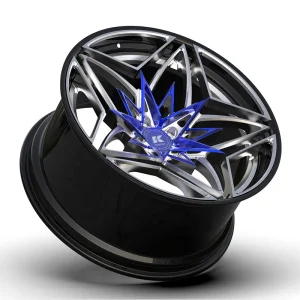
Custom Kipardo Custom 18 to 30 inch 2 Pieces forged wheels 3 Pieces forged Rims Pricelist, Exporters
Configure Fitment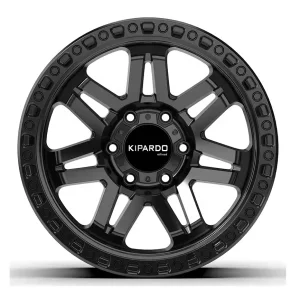
China Kipardo 17 18 inch factory wholesale 6 hole custom car aluminum alloy rims 4x4 offroad wheels Supplier, Service
Configure Fitment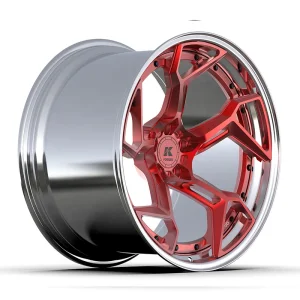
OEM Kipardo Custom 18 19 20 21 22 inch 6061-T6 aluminum concave forged wheels Suppliers, Exporter
Configure Fitment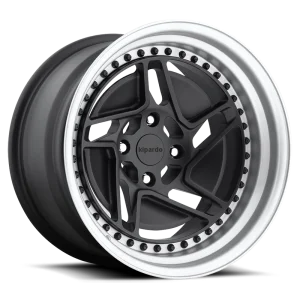
OEM Custom wholesale new design Forged car 3 pieces forged wheels Companies, Service
Configure Fitment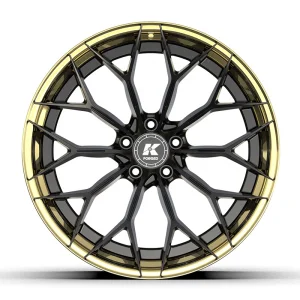
OEM Kipardo Luxury forged wheels 3 Pieces forged Rims Manufacturers, Companies
Configure Fitment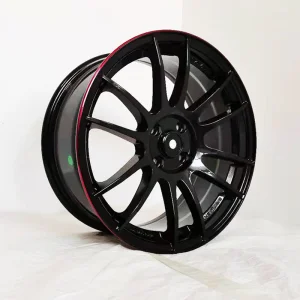
Cheap KIPARDO 15 inch 5x100 undercut red new japan design wheel Quotes, Products
Configure Fitment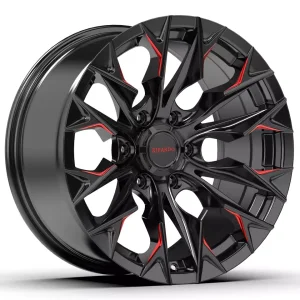
Cheap Kipardo 16 17 18 inch 6 hole custom casting car aluminum alloy rims 4x4 offroad wheels Exporters, Service
Configure Fitment