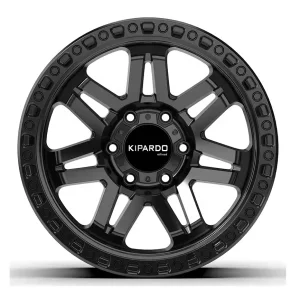
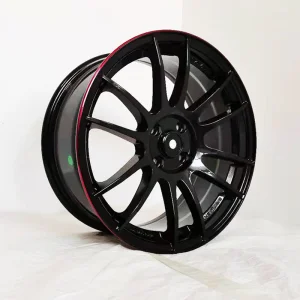
Featured Replica & Custom Offroad Alloy Rims
Engineered to exact OEM geometrical tolerances, featuring verified bolt pitch circles (PCD), positive/negative offsets, and hub-centric fitments for global passenger car, light-duty truck, and 4x4 applications.
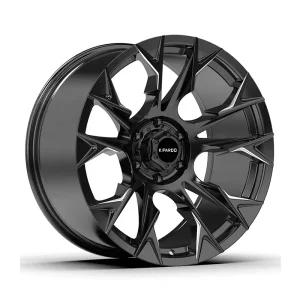
Custom Kipardo 20 inch factory wholesale 5 6 hole aluminum alloy rims 4x4 offroad wheels Supplier, Companies
Inquire Product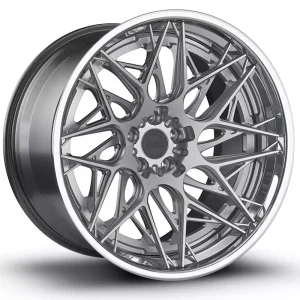
Discount Kipardo 18 inch to 24 inch fully custom 6061-T6 aluminum concave forged wheels Suppliers, Company
Inquire Product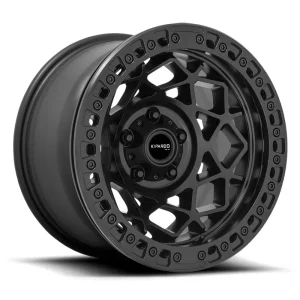
ODM Kipardo 17 20 inch factory wholesale black custom cast aluminum alloy rims 4x4 offroad wheels Manufacturer, Products
Inquire Product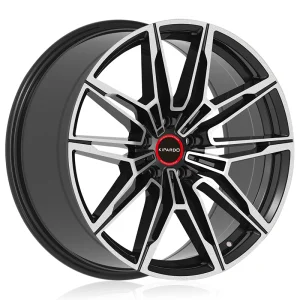
China Kipardo 18 19 20 inch factory wholesale cast alloy rims aluminum 4x4 offroad wheels Manufacturers, Suppliers
Inquire Product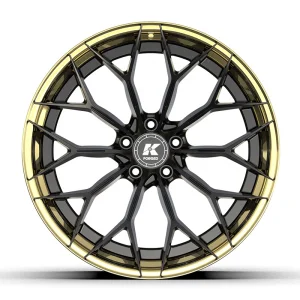
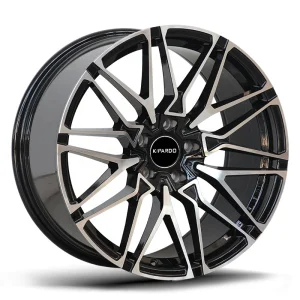
Custom Kipardo 19 20 21 22 inch factory custom wholesale luxury alloy rims aluminum 4x4 offroad wheels Exporter, Service
Inquire Product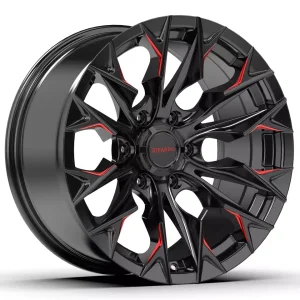
Discount Kipardo RTS 17x9 4x4 alloy car wheels with pcd 6x139.7 6x114.3 5x150 velg offroad wheels Quotes, Exporter
Inquire Product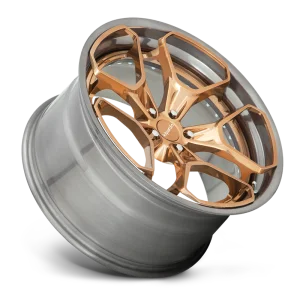
OEM Kipardo alloy wheels Forged car 3 pieces forged wheels 2 pieces,monoblock Manufacturer, Products
Inquire ProductNavigating Global Replica Aluminum Wheel Sourcing Complexities
Automotive distributors, national wholesalers, and tuning networks face unprecedented shifts in fitment variety, dimensional repeatability, and cross-border regulatory compliance.
Inventory Rationalization & OE Direct Fit
Wholesalers must service vast automotive vehicle parcs without holding excessive dead-stock SKUs. Precision replica wheels eliminate the operational friction of universal hub rings, multi-drilled PCD patterns, or aftermarket lug-seat adaptors. By mirroring original equipment specifications—including brake caliper clearances for modern multi-piston braking systems—distributors guarantee true bolt-on direct installations that protect dealer reputations and mitigate post-sale returns.
Risk Mitigation & Defect Zero Tolerance
Unscheduled wheel replacements erode enterprise margins and damage brand trust. Sourcing directly from verified OEM-tier casting foundries ensures raw ingot traceability. Our facility executes molten degassing using nitrogen/argon rotor dispersion, ensuring minimal hydrogen gas inclusion, micro-porosity containment, and continuous secondary dendrite arm spacing (SDAS) validation. This eliminates catastrophic spoke failures under severe dynamic radial loads.
Agile MOQ & Private-Label Packaging
Modern distribution contracts require flexible production sequencing. Rimax accommodates consolidated mixed-container orders across low-pressure cast, rotary flow-formed, and monoblock forged categories. Furthermore, full private-label customization protects intellectual distribution rights, offering customer-branded double-flute corrugated export cartons, customized wheel cap badges, high-security serialization, and customs barcode integration.
Engineering Benchmark: Replica Production Methodologies
Comparing Low-Pressure Die Casting (LPDC), Rotary Flow Forming, and CNC Billet Forging across structural, commercial, and performance vectors.
| Evaluation Parameter | Low-Pressure Cast (LPDC) | Rotary Flow-Formed | 6061-T6 Monoblock Forged |
|---|---|---|---|
| Base Alloy Metallurgy | Primary A356.2 Al-Si Alloy | A356.2 Modified / A356-T6 | Aerospace Grade 6061-T6 Billet |
| Tensile Strength (Rm) | 230 – 260 MPa | 300 – 330 MPa (Rim Barrel) | ≥ 360 – 390 MPa |
| Yield Strength (Rp0.2) | 160 – 190 MPa | 240 – 270 MPa | ≥ 310 MPa |
| Elongation at Break (A5) | ≥ 4.0% – 6.0% | ≥ 8.0% – 12.0% | ≥ 10.0% – 14.0% |
| Weight Reduction vs OEM | OEM Baseline Benchmark | 10% to 18% Weight Reduction | 22% to 32% Weight Reduction |
| Impact Energy Dissipation | High Shock Absorption Yield | Ductile Barrel Plasticity | Maximum Yield Resistance |
| Tooling / Mold Amortization | Moderate (Steel Permanent Mold) | Moderate to High | Zero Tooling (100% 5-Axis CNC) |
| Ideal Commercial Application | Volume Replica Wholesale & Fleets | Tuning Platforms & Heavy EVs | Supercars, Armored & Bespoke |
| Compliance Standard | JWL, VIA, SAE J2530 | JWL, VIA, TÜV StVZO | JWL, VIA, ISO 3006 |
The 8-Stage Metallurgical Validation Protocol
Every Kipardo-manufactured rim adheres to rigorous physical and destructive testing protocols, establishing total traceability from molten ingot to final container loading.
Spectrographic Melt Analysis
Quantometer chemical element verification ensuring strict Silicon (6.5-7.5%), Magnesium (0.30-0.45%), and minimal Iron (<0.12%) composition prior to pouring.
Controlled Low-Pressure Cast
Counter-gravity bottom pouring at 0.6–0.8 bar pressure allows smooth, laminar cavity filling without atmospheric air entrapment or turbulent oxide inclusion.
Real-Time X-Ray Fluoroscopy
Automated 360-degree rotational radioscopy identifies micro-shrinkage, spoke-root voids, or inclusion defects within critical spoke junctions and rim wells.
T6 Solution & Artificial Aging
High-temperature solution heat treatment at 535°C followed by precise water quenching and 155°C artificial aging to precipitate Mg2Si crystal strengthening phases.
High-Precision CNC Lathe Turning
Twin-spindle high-speed CNC machining of wheel mounting pads, hub bores, and tire bead seats to micro-metric concentricity tolerances (±0.05 mm).
Air-Leak Helium Testing
100% automated pressurized differential air and helium leak checks to verify absolute molecular seal on tubeless bead humps and structural wheel wells.
Surface Electro-Deposition & Powder
Multi-stage chrome-free passivation pre-treatment followed by thermoset powder clear primer, color coat, and diamond-cut CNC face protective lacquer.
Dynamic JWL/VIA Lab Clearance
Empirical destructive batch testing: 13-degree impact test, dynamic radial fatigue testing (over 500,000 cycles), and dynamic cornering bending moments.
Localized Homologation & Customs Safeguards
Navigating cross-border automotive aftermarket compliance requires deep structural adherence to destination-market homologation standards and customs anti-dumping regulations.
North America: SAE J2530 & DOT Markings
For import distributors serving the United States and Canada, wheels are fabricated and verified under SAE J2530 performance criteria. Products carry permanent back-pad die-castings indicating maximum load rating (lbs/kg), wheel offset (ET), bolt circle diameter, manufacturing week/year dates, and DOT identification to simplify port clearance and avoid federal motor vehicle safety discrepancies.
Europe: ECE R124 & TÜV StVZO Benchmarking
European distributors require exact replacement geometry to satisfy strict road traffic licensing regulations. Our replica series aligns with ECE R124 direct-fitment dimensional constraints, guaranteeing that rolling radius, offset deviation, and hub tolerances comply with vehicle manufacturer type approvals. This allows regional dealers to market replacement wheels without requiring complex single-vehicle modifications.
Middle East & LATAM: SASO & INMETRO
Exporting to Saudi Arabia, UAE, Brazil, and broader Latin America requires registered conformity certification. Rimax pre-arranges Saber platform registrations, SASO COC certifications, and INMETRO testing validation. Each batch undergoes rigorous salt spray corrosion testing (ASTM B117 > 1,000 hours; CASS > 240 hours) to resist aggressive marine coastal salinity and extreme desert thermal degradation.
Technical Roadmap: The Next Era of Replica & OEM Wheels
Preparing automotive procurement supply lines for Electric Vehicle (EV) load dynamics, aerodynamically optimized drag coefficients, and closed-loop low-carbon alloy metallurgy.
EV-Specific Load & NVH Dynamics
Battery Electric Vehicles (BEVs) exhibit curb weights 25% to 35% higher than equivalent internal combustion vehicles, combined with instant torque delivery. Our R&D engineering has upgraded all newly drafted replica tooling to accommodate minimum wheel load ratings of 950 kg to 1,150 kg. Simultaneously, finite element analysis (FEA) optimizes spoke resonance frequencies to dampen low-frequency road noise inside silent EV cabins.
Aero-Blade & Flow-Formed Integration
Aerodynamic drag accounts for up to 30% of high-speed battery energy consumption. Rimax is expanding its hybrid replica designs, integrating flush-face flow-formed aluminum barrels with snap-fit, recyclable ABS/polycarbonate aerodynamic inserts. This achieves a 0.015 to 0.025 Cd drag reduction while preserving rapid tire bead heat dissipation and essential mechanical brake rotor cooling performance.
Low-Carbon Recycled Aluminum Ingot
With corporate ESG targets and European Carbon Border Adjustment Mechanisms (CBAM) coming into active enforcement, Rimax has integrated closed-loop certified scrap-sorting systems. Our primary melt process incorporates up to 40% clean internal and post-industrial hydro-powered recycled alloy without compromising eutectic grain structures or structural fatigue limits, reducing Scope 3 carbon footprints significantly.
Enterprise Buyer FAQ: OEM & Replica Wheels
Detailed technical responses to commercial, logistical, and metallurgical queries from international tire and wheel distributors.
What is the structural difference between gravity casting and low-pressure replica wheels?
Gravity casting relies solely on hydrostatic pressure to fill the mold, which often traps atmospheric air and produces coarse grain dendrite structures prone to micro-porosity. In contrast, Rimax uses computer-controlled Low-Pressure Die Casting (LPDC), forcing molten A356.2 alloy upwards at 0.6–0.8 bar. This yields tighter secondary dendrite arm spacing (SDAS), superior grain density, higher elongation before failure, and complete structural reliability across spoke junctions.
How do you guarantee that replica wheel offsets (ET) and bores clear OEM brake calipers?
Every replica tooling program begins with 3D structured-light optical scanning of original vehicle hub assemblies, brake disc hats, and multi-piston calipers. We execute comprehensive 3D CAD clearance modeling, validating a minimum 3.0 mm dynamic clearance envelope across all caliper outer edges. Hub-centric bores are CNC-turned with ±0.05 mm precision to eliminate vibration without requiring aftermarket spigot rings.
What specific destructive testing benchmarks must a production batch satisfy before export?
Each production lot must pass destructive laboratory testing compliant with JWL/VIA standards: (1) Dynamic Cornering Fatigue test subjecting the wheel to bending moments up to 100,000 cycles; (2) Dynamic Radial Fatigue test applying 200% vehicle load rating over 500,000 cycles; and (3) 13° Impact Test simulating curb impact without air-loss or spoke fracture.
What surface treatment warranties and salt-spray ratings do you provide?
Rimax provides an unconditional 2-year warranty on all standard painted, diamond-cut machined, and powder-coated finishes, along with a 5-year/100,000 km structural integrity warranty. Our finishing lines employ automated multi-stage chrome-free zirconium pre-treatments, achieving ASTM B117 neutral salt-spray resistance exceeding 1,000 hours and CASS copper-accelerated acetic salt-spray resistance over 240 hours.
Can we consolidate cast, flow-formed, and forged rims into a single export container?
Yes. Our enterprise logistics framework allows wholesale buyers to mix cast volume replica SKUs, lightweight flow-formed wheels, and high-margin bespoke 6061-T6 forged designs within a single 40ft High Cube (HQ) container. We provide optimized 3D container stuffing diagrams to maximize pallet utilization and avoid transit movement damage.
How does Rimax handle private labeling, trademark regulations, and brand compliance?
We work exclusively within legal international guidelines. While replica wheels mirror factory dimensional fitments (PCD, offset, center bore), they are supplied without counterfeit vehicle brand emblems or trademarked logos. We produce customized, proprietary-branded center caps, customer-registered logo stampings, branded carton boxes, and laser-etched serial numbers that protect your business from customs intellectual property seizures.
High-Capacity Cast & Forged Aluminum Series
Explore additional high-demand Kipardo alloy applications spanning heavy-duty 4x4 offroad fitments, multi-piece forged assemblies, and OEM replacement designs.

CE Certification Kipardo 17 20 inch 6lug 6x139.7 4x4 offroad car alloy wheels rims for lexus GX460 GX470 Company, Products
Inquire Product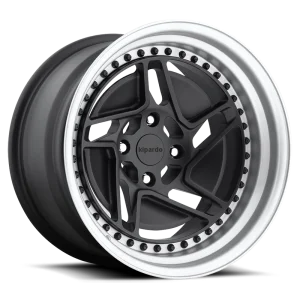
OEM Custom wholesale new design Forged car 3 pieces forged wheels Companies, Service
Inquire Product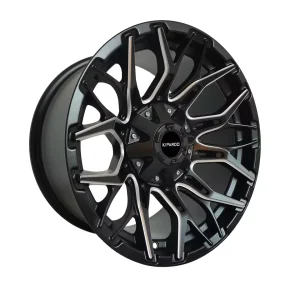
Cheap Kipardo 17 18 inch 5 6 hole factory custom casting car aluminum alloy rims 4x4 off road wheels Exporter, Product
Inquire Product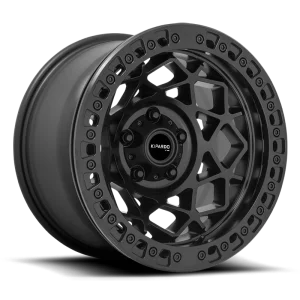
Buy KIPARDO manufacturer 6 holes 17 inch 4x4 wholesale aluminum alloy wheels rims Supplier, Quotes
Inquire Product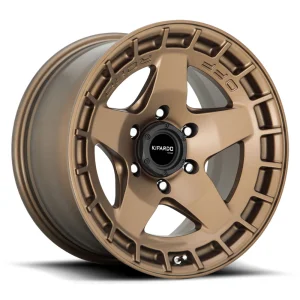
China Kipardo 17 18 inch high quality factory wholesale aluminum alloy rims 4x4 offroad wheels Manufacturer, Companies
Inquire Product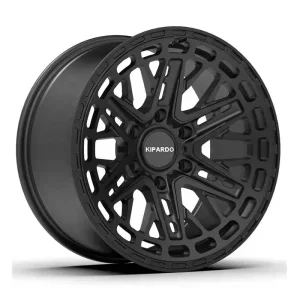
Wholesale Kipardo China factory 20 inch 5 6 hole alloy rims aluminum 4x4 offroad wheels Supplier, Factories
Inquire Product